Build Your Communication Skills as a Frontline Manager
Build Your Communication Skills as a Frontline Manager
What you’ll learn
Skills you’ll gain
Strong communication skills are essential for frontline managers as they work to ensure that directives, expectations, and feedback are effectively communicated to their teams. In this course, retail operations leader and customer service expert Felix Felix shares invaluable insights to help you build your communication skills as a frontline manager. After completing this course, you'll be able to skillfully foster team connections and leverage communication strategies for business success.
Syllabus
Download syllabus-
1
Assess your communication skills Self-awareness is foundational for effective communication, and it allows you to identify your strengths, weaknesses, and areas for improvement. 1m
-
2
Establish a support system Building a support system is crucial for frontline managers looking to build their communication skills. 2m
-
3
Delegate and create shared responsibility As a frontline manager, you and your team have a lot of responsibilities to manage, and part of being a good communicator means knowing how to hold your team accountable. 2m
-
1
Prioritize regular check-ins Regular check-ins foster a continuous feedback loop, maintain open lines of communication, and provide opportunities for addressing concerns and setting goals. 1m
-
2
Gather valuable team information Gathering relevant team information promotes informed decision-making, facilitates better communication, and supports you in understanding the dynamics and strengths of your team. 2m
-
3
Identify your team's communication styles Recognizing and understanding the varied communication styles within a team promotes effective collaboration, reduces misunderstandings, and fosters a harmonious work environment. 1m
-
1
Focus on adaptability Adaptability in communication allows you to tailor your approach to different situations, team members, and organizational needs. 1m
-
2
Elevate your non-verbal communication skills Non-verbal communication plays a significant role in conveying emotions, building rapport, and enhancing overall message effectiveness. 1m
-
3
Boost your verbal communication skills Verbal communication skills are essential for conveying ideas, providing instructions, and fostering a collaborative team environment. 1m
-
4
Improve your written communication skills Strong written communication skills are crucial for documentation, conveying complex information, and ensuring clarity in remote or asynchronous communication. 2m
-
5
Practice inclusive communication Inclusive communication ensures that all team members feel heard, valued, and included. 1m
-
6
Prioritize proactive communication Understanding the importance of proactive communication in the face of spontaneous disruptions is crucial. 1m
-
1
Set clear objectives In order to host effective meetings as a frontline manager, you need to plan and prepare appropriately while clearly communicating the goals of the meeting to your team. 1m
-
2
Apply facilitation techniques Being able to engage and connect with your audience is important, and you can gain valuable insights from your employees through engagement opportunities. 1m
-
3
Assign action items Ending your meetings with action items and appropriate follow-up is essential to building individual and team accountability. 1m
-
1
Create a culture of feedback Establishing a culture of feedback encourages continuous improvement, strengthens team dynamics, and fosters an environment where constructive input is valued. 1m
-
2
When to give and not to give feedback Knowing when to provide feedback ensures that it is timely, relevant, and conducive to individual and team growth, avoiding unnecessary negativity or misinterpretation. 2m
-
3
How to give and receive feedback Being able to effectively give and receive feedback is crucial for frontline managers. 1m
-
1
Recognize signs of conflict Identifying conflicts early allows for timely intervention, preventing escalation and maintaining a productive team environment. 2m
-
2
De-escalate conflicts Being able to de-escalate conflicts is a critical skill that frontline managers can leverage when navigating conflicts and difficult conversations. 1m
-
3
Address difficult conversations Recognizing and addressing difficult conversations head-on promotes transparency, builds trust, and allows for the resolution of issues before they escalate. 1m
-
1
Empower your team through communication Thank you for watching this course! 1m
Certificate
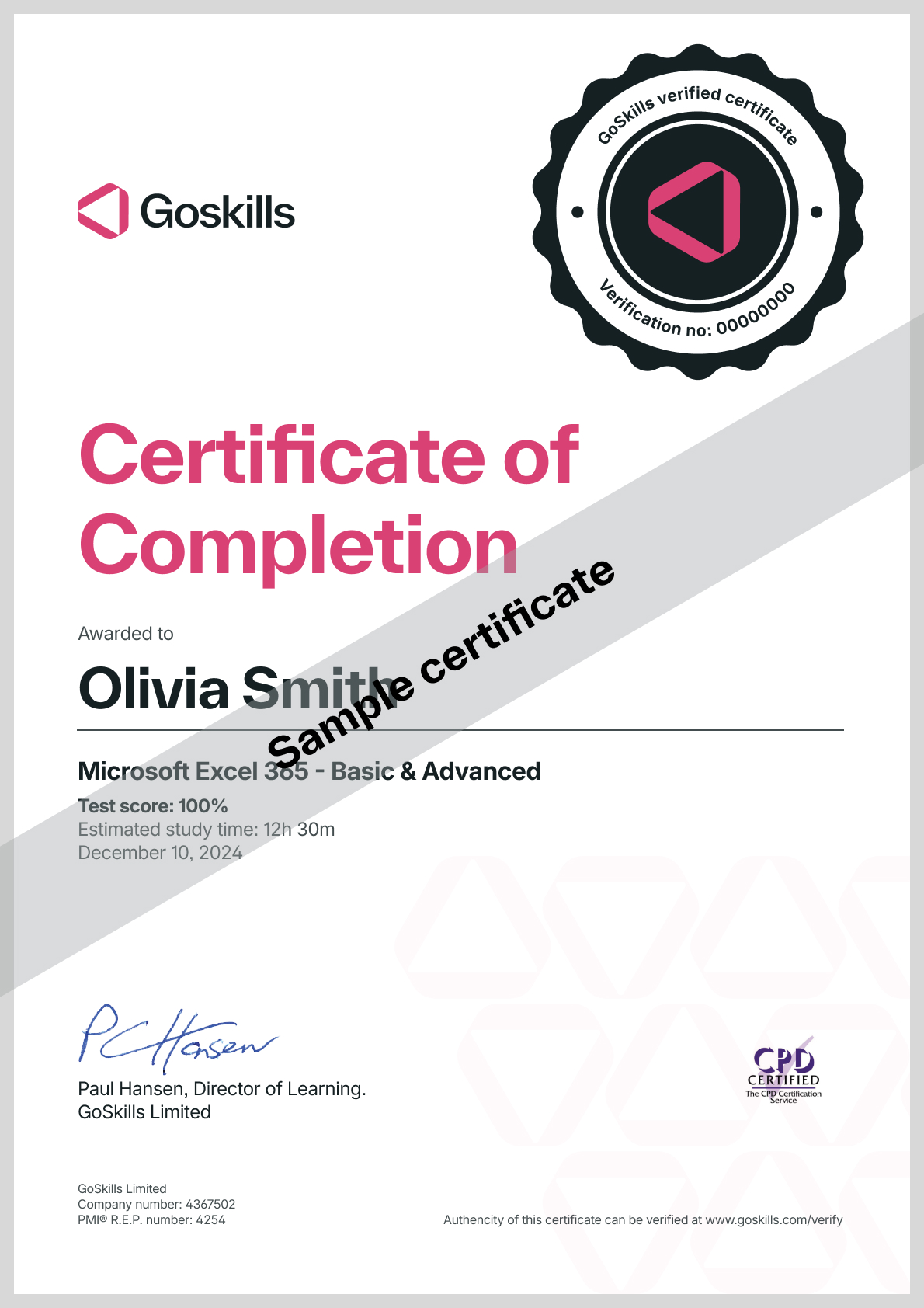
Certificate of Completion
Awarded upon successful completion of the course.
Instructor
Felix Felix
Felix is a hospitality-focused director of retail operations at a specialty coffee company in Southern California. Felix prioritizes quality and guest experiences while also focusing on training and efficiency. He specializes in creating positive workplaces, implementing systems, educating teams, and driving business growth. Felix often immerses himself in anything related to hospitality, management, and culinary arts.

Felix Felix
Experienced Retail Operations Leader
Accreditations
Link to awards
How GoSkills helped Chris
I got the promotion largely because of the skills I could develop, thanks to the GoSkills courses I took. I set aside at least 30 minutes daily to invest in myself and my professional growth. Seeing how much this has helped me become a more efficient employee is a big motivation.