Communicating through Disagreement
Communicating through Disagreement
What you’ll learn
Skills you’ll gain
Think about a time when you disagreed or fought with another person. What was the outcome? How did it make you feel? More likely than not, you've found yourself in disagreements that didn't get resolved or that left you with a bad feeling in the pit of your stomach. In this course, conflict resolution expert Lynne Hurdle shares her methods to ensure you're able to effectively communicate through disagreements and achieve your intended outcomes. Lynne reviews her tips and tricks to prepare yourself to participate in this conversation, effectively listen and manage your emotions, and achieve mutual understanding and agreement. She also shares how to avoid commmon pitfalls when it comes to things like venting or talking over one another. Lynne also gives examples of individuals who really excel at communication through disagreement, and what these individuals do that makes them more effective. Finally, Lynne empowers you with tips to manage disagreements and conflict more effectively, and gives her resources to help you continue your learning over time.
Syllabus
Download syllabus-
1
Preparing yourself to engage in the conversation In order to be more effective in difficult conversations you will need to be ready for disagreement. 2m
-
2
Starting the conversation When you react rather than respond in a disagreement, the conversation gets off to a bad start. 2m
-
3
Using active listening skills Sometimes, getting to understanding is simply a matter of improving your listening skills. 3m
-
4
Strategic listening for gaining understanding Disagreements often occur because underlying values are not understood. 3m
-
5
Using questions to get clarity and more information Asking the right questions can usually help you bring clarity in tough conversations. 2m
-
6
Setting the stage for agreement Sometimes conversations turn ugly because we use words that communicate we just want to argue. 3m
-
7
Managing emotions effectively The simplest way to dissolve a conversation is to let emotions run wild. 2m
-
8
Productive venting A great way to cool down the temperature of a conversation is to allow time to vent. 2m
-
9
The power of silence One of the most effective communication techniques for allowing each of you to think about what has been said is to be quiet for a little bit. 2m
-
10
What do they need Conversations become easier to navigate when you know what the other person needs in order to move forward. 3m
-
11
Learning from hostage negotiators Some of the most effective communicators are hostage negotiators. After watching this video, you'll be able to adopt common negotiation tactics. 2m
-
12
Excel with hostage negotiation tips There are great tips that hostage negotiators use to break through tough communication situations. 1m
-
1
Using conflict resolution techniques If you equip yourself with communication tools, you'll be armed to handle tough situations. 3m
-
2
Sharpening your conflict resolution techniques It cannot be said enough; practice makes better. 2m
-
3
Recommendations for self-teaching Thanks for watching this course. 1m
Certificate
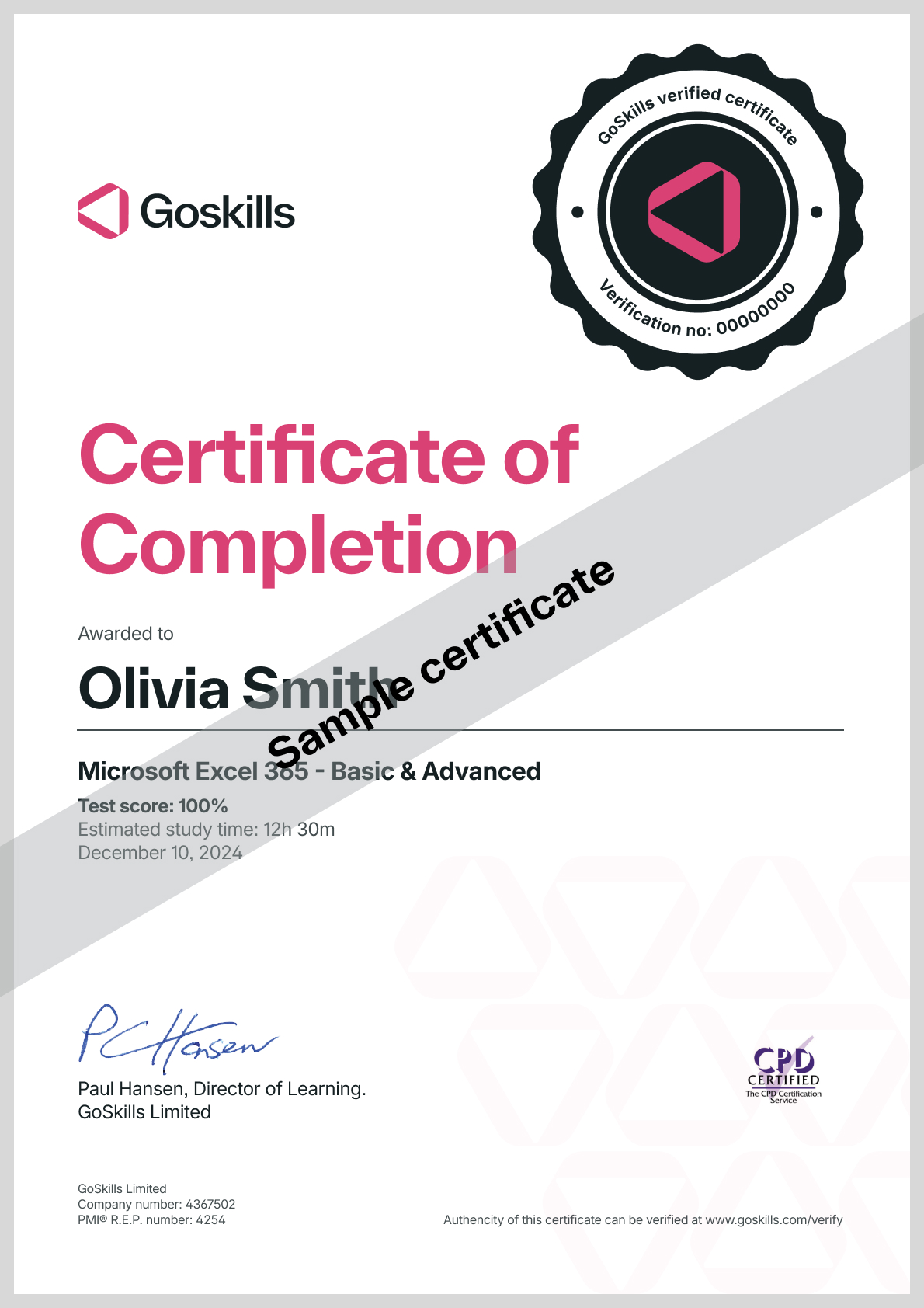
Certificate of Completion
Awarded upon successful completion of the course.
Instructor
Lynne Hurdle
Lynne Hurdle is an executive coach and TedX speaker with over 35 years of experience blending the connection between communication, conflict and culture into her unique style of engagement for leaders. Prevention, intervention and transformational conflict resolution are all at the heart of her work. She specializes in guiding her clients through creative thinking processes designed to create dialogue and teach leaders how to engage skillfully, confidently, and powerfully in everything from daily conversations to the most difficult conflict situations.
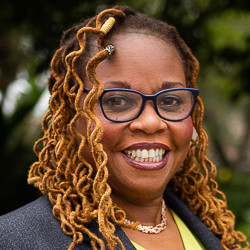
Lynne Hurdle
Executive Coach
Accreditations
Link to awards
How GoSkills helped Chris
I got the promotion largely because of the skills I could develop, thanks to the GoSkills courses I took. I set aside at least 30 minutes daily to invest in myself and my professional growth. Seeing how much this has helped me become a more efficient employee is a big motivation.