Crisis Media Training

Crisis Media Training
Skills you’ll gain
When a crisis breaks today, the story forms before you ever get to speak. The old playbook assumed you had time to gather facts, prepare a statement, and speak to a patient audience. Instead, your words are clipped, reframed, and summarized by AI before most people hear the full version. The skill that matters now is saying the right thing quickly, in a form that survives being cut to 15 seconds.
This training is for executives, spokespeople, business owners, and communications professionals who may have to face the public, the press, or their own people when something goes wrong. No previous media training is needed. You will work through realistic patterns, practical rules, and two hands-on recording exercises that let you hear and see how you actually come across under pressure.
In this course, you'll learn:
- How the crisis timeline reversed, and why the first version of a story tends to stick
- Why your first response becomes the reference point for everything that follows
- The real cost of silence, and how to say "I don't know" without losing credibility
- How one sentence becomes the entire story, and why longer explanations make things worse
- Why repeating an accusation to deny it attaches that accusation to you
- How crises escalate in waves, and how to correct rumors without amplifying them
- The role of AI in modern crises, including how it can be used against you and how to use it to prepare
- The 3-message rule, and how to keep your messaging consistent across every update
- Practicing for clips: recording, reviewing, and tightening your own crisis response
By the end of this course, you will be able to:
- Deliver a credible first response within the first hour, even without all the facts
- Build three clear key messages and stay consistent with them under pressure
- Reframe hostile questions in your own language instead of repeating the accusation
- Craft statements where every phrase still works when it is isolated and shared
- Decide which rumors to answer and which to leave alone
- Use AI to rehearse hostile questions and stress-test your language, while keeping the final words your own
- Run a self-review of your recorded response and judge it the way your audience will
Syllabus
Download syllabus-
1
What Happens When You Say Nothing or "I Don't Know" Why silence and uncertainty accelerate narratives instead of stopping them. 4m
-
2
How One Sentence Becomes the Entire Story Why modern communication is filtered, clipped, and repackaged, and complex situations collapse into simple public judgments. 3m
-
3
Why Longer Explanations Make Things Worse How over-explaining increases confusion, while every part of your statement must stand on its own. 4m
-
4
When Your Answer Becomes the Accusation Why repeating accusations strengthens them in public memory. 5m
-
1
How Crises Spread and Why Outrage Escalates Why crises spread in waves, not linear progression. 2m
-
2
Responding to Rumors Without Amplifying Them How to correct misinformation without increasing its reach. 2m
-
3
AI Is Now Part of Every Crisis, For Better or Worse How algorithms and AI influence modern crisis perception, and may introduce hidden communication risks. 4m
-
4
How AI Can Be Used Against You... And How You Can Use AI While AI can be weaponized, its power can also be harnessed. 4m
-
5
Homework 1: First Hour Crisis Response Drill Simulating your first 60 minutes in a real crisis. 1m
-
1
The 3-Message Rule in a Viral World Why simplicity outperforms over-explanation in crisis messaging. 2m
-
2
Practicing for Clips and Recording Your First Response How to train for short-form viral reality instead of full conversations. 1m
-
3
Case Studies: Silence vs. A Strong Response Inaction can escalate crises beyond control, but fast, clear communication reduces escalation. 4m
-
4
Homework 2: Record Your 30-Second Crisis Video Practical communication under pressure exercise. 1m
-
1
Crisis Communication Reset Pre-crisis mindset preparation and mental reset habits. 3m
-
2
Course Conclusion Final recap of modern crisis communication realities and transformation achieved. 1m
Certificate
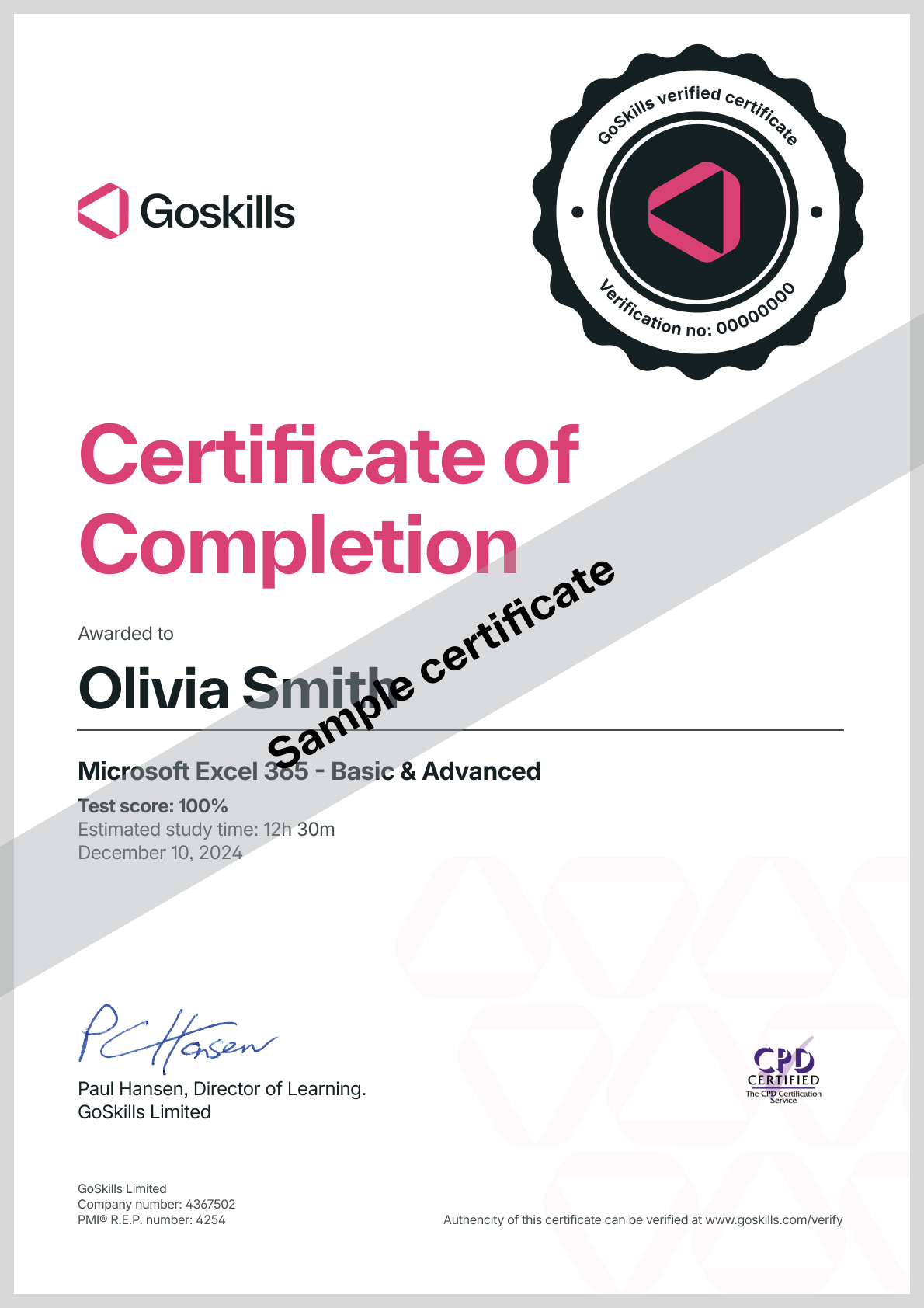
Certificate of Completion
Awarded upon successful completion of the course.
Instructor
TJ Walker
TJ Walker has been conducting media training workshops and seminars since 1984. Walker has trained Presidents of countries, Prime Ministers, Nobel Peace Prize winners, Super Bowl winners, U.S. Senators, Miss Universes and Members of Parliament.
His book, "Secret to Foolproof Presentations" was a USA Today #1 Bestseller, as well as a Wall Street Journal and Business Week Bestseller. Walker is also a regular contributor to Forbes and the Reuters Insider Network and has written for the Huffington Post.
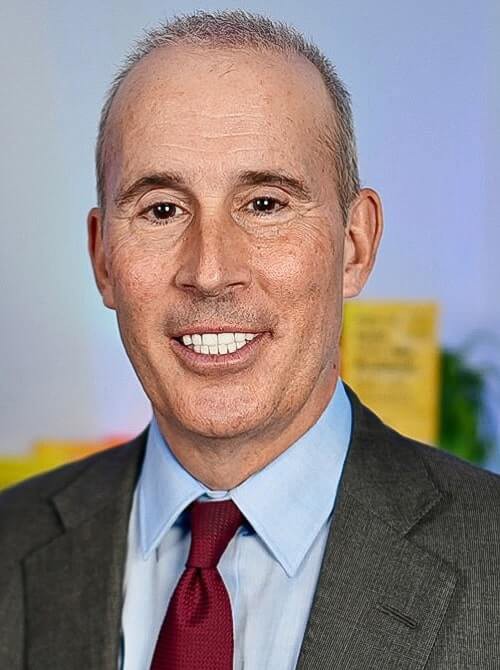
TJ Walker
Public Speaking Trainer and Author
Accreditations
Link to awards
How GoSkills helped Chris
I got the promotion largely because of the skills I could develop, thanks to the GoSkills courses I took. I set aside at least 30 minutes daily to invest in myself and my professional growth. Seeing how much this has helped me become a more efficient employee is a big motivation.