Generational Diversity In The Workplace
Generational Diversity In The Workplace
What you’ll learn
Skills you’ll gain
Five different generations serve in today’s workforce, and you want to know how to best collaborate with colleagues of all ages to achieve success. Linda Croyle, an expert and consultant in transformative communication, diversity, and inclusion, will teach you to how to recognize generational characteristics, and the role generational inclusion plays in the workplace. You'll learn what comprises a generation, how they differ, and how intergenerational collaboration creates a successful outcome. You'll identify the working styles and qualities each group offers. Linda will share common misunderstandings between generations along with ways to prevent exclusion. You’ll discover the dynamics between older and younger employees, and how to influence employees to collaborate despite bias, age discrimination, and racism. Upon completing this course, you should feel confident recognizing the roles generations play in the workplace, and the importance of recognizing each generation’s contributions.
Syllabus
Download syllabus-
1
Understanding multigenerational diversity A generation plays an important role in a collective group's identity development, lived experiences, and cultural elements. 3m
-
2
Defining generations Each generation has its own characteristics and traits that impact how they approach their work. 3m
-
3
Multigenerational workforce dynamics For the first time ever, there are 5 different generations all serving today's workforce. 2m
-
4
Understanding implications When people from different generations with different cultural contexts work alongside each other, there's naturally more room for misunderstanding, projection, and error. 3m
-
1
Current workforce challenges In 2016, Millennials, or Gen Y, surpassed the number of Baby Boomers in the workforce and became the largest generation in the current workforce. 4m
-
2
Identifying generational shifts Each year, 3 million Baby Boomers leave the workforce, meaning there are many newly vacated positions that need to be filled. 3m
-
3
Leadership dynamics and challenges Currently, Millennials make up many leadership positions, meaning they supervise people who are older than themselves. 3m
-
1
Creating intergenerational collaboration In order to optimize workplace effectiveness, companies need to collaborate and play to each generation's strengths, needs, and motivations. 2m
-
2
Succession planning Along with the shift in generational makeup, younger generations also approach career moves and mobility differently. 4m
-
3
Dynamics with younger employees If you're a manager or working with someone younger than you, that person may value different characteristics and qualities than you do. 3m
-
4
Dynamics with older employees Collaborating with or managing someone older than you can have the potential for a unique relationship dynamic. 2m
-
1
Moving beyond bias and stereotypes It can be difficult to understand the difference between a bias and a stereotype. 3m
-
2
Understanding adultism Adultism is explained as how young people are marginalized, diminished or made invisible, and having this perception can lead to detrimental stereotypes. 3m
-
3
Preventing age discrimination Discrimination can occur from the younger generations towards those who are older, and can lead to significant challenges. 3m
-
4
Racism and generational diversity As society becomes more racially diverse, challenges arising from bias and misinformation increase. 3m
-
1
The future workforce In order for you to be able to plan for success on projects or within your team, there are nuances within each generation that can impact what success looks like. 3m
-
1
Aligning on alikeness Thanks for watching this course! 1m
Certificate
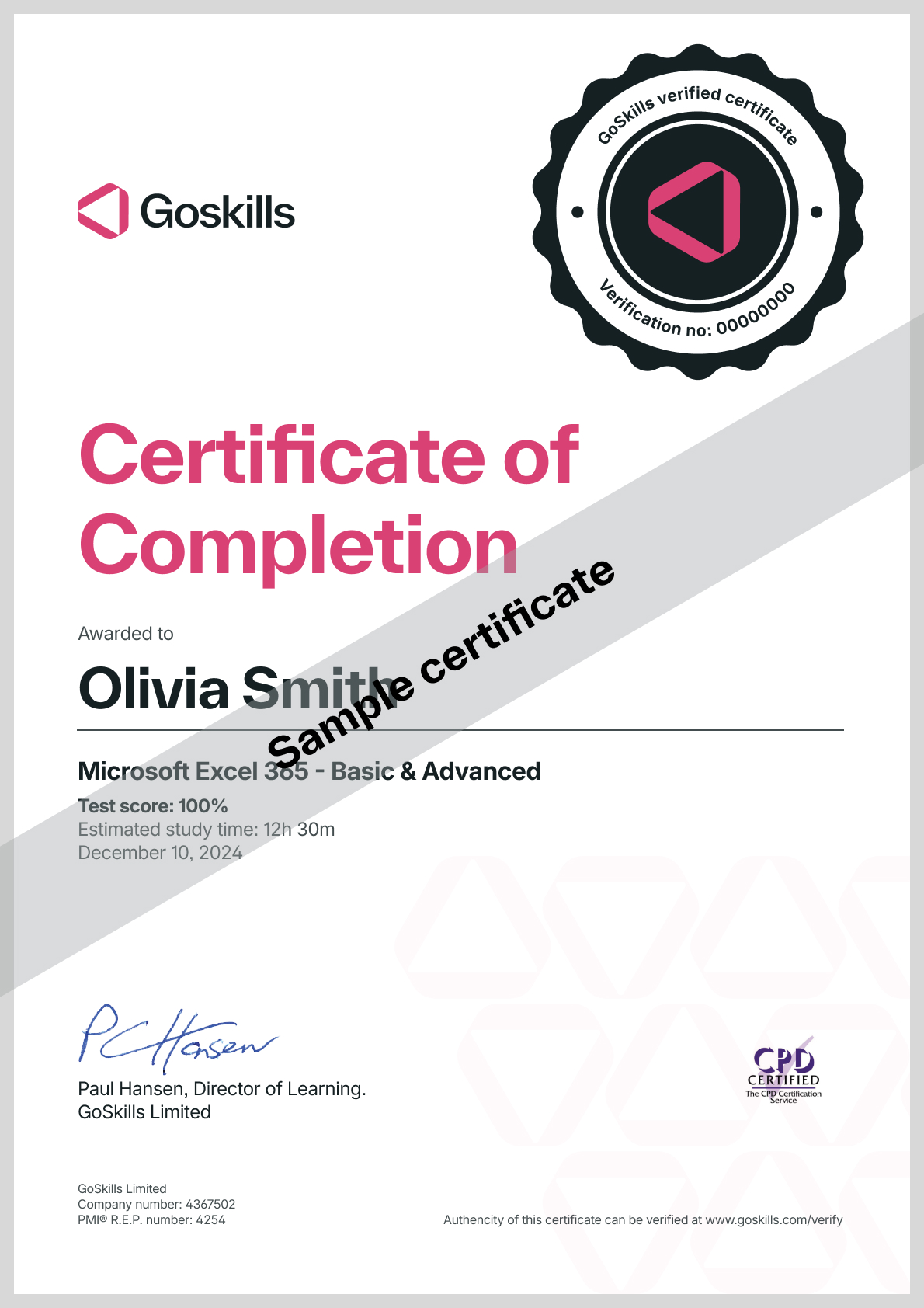
Certificate of Completion
Awarded upon successful completion of the course.
Instructor
Linda Croyle
Linda Croyle is a highly sought-after consultant, trainer, and professional speaker with over 30 years of experience in values-based organizational management and development. She specializes in transformative communication, change management, diversity, equity, and inclusion, high-performance teams, professional feedback, and workplace wellness. With extensive study of the neuro-emotional role of the brain, Linda is particularly skilled at understanding the connection between thoughts, beliefs, and how they manifest in both our physiology and psychology, impacting everyday interactions. She is known for combining dynamic interpersonal communication skills with brain-based learning concepts to help individuals and teams thrive, creating work environments that are more productive, engaging, and enjoyable.

Linda Croyle
Professional Speaker and Founder, Croyle Consulting
Accreditations
Link to awards
How GoSkills helped Chris
I got the promotion largely because of the skills I could develop, thanks to the GoSkills courses I took. I set aside at least 30 minutes daily to invest in myself and my professional growth. Seeing how much this has helped me become a more efficient employee is a big motivation.