
Udemy is a global online learning marketplace where just about anyone can create and sell video-based courses. It hosts over 200,000 offerings in business, tech, and personal-development topics, priced individually and often deeply discounted. Learners get access to courses via web or mobile, while instructors earn revenue shares per enrollment.
That being said, there is a growing case for searching for alternatives to Udemy.
The best Udemy alternatives for individual learners are GoSkills, Coursera, LinkedIn Learning, Skillshare, and edX, depending on whether you prioritize bite-sized workplace skills, university credentials, or creative classes.
Why search for Udemy alternatives?
Udemy deserves credit for democratizing online learning, but its success has also been its undoing. The sheer size of its course library makes it hard to separate the gems from the just‑OK content. The resulting decision fatigue is real: by the time you’ve sampled two or three mediocre courses, you’ve probably lost the will to keep searching. Learners also complain about inconsistent quality and the perceived low value of certificates.
Low-quality courses and a poor user experience translate to wasted time and investment, and many have found that it pays to shop around for Udemy competitors that offer the experience and outcomes they are looking for in an online learning platform.
What's important in an online learning platform?
There's no shortage of places to learn online, so the real question is which platform will actually help you finish a course and use what you learned. These six factors separate the platforms worth your time from the ones that just have a big catalog.
Fair, transparent pricing
Cost is consistently the first thing online learners weigh. According to Risepoint's long-running learner research, affordability has been the top decision factor for online learners in 12 of the past 14 years. Learners are also getting more price-sensitive: in Risepoint's previous edition, 38% chose the lowest-cost program they evaluated, up from 29% the year before. But the cheapest-looking option isn't always the cheapest overall. Pay-per-course marketplaces with constant "sale" prices can add up fast once you need more than one course. A clear subscription price, a free trial or free tier to test the platform, and no surprises at renewal make it much easier to compare what you'll really spend.
Recognized certificates
A certificate is only worth adding to your résumé if employers trust where it came from, and learners know it. When Risepoint asked online learners what mattered most in choosing a program, 84% ranked accreditation as highly important, second only to cost. Employers pay attention too. Accredible's 2025 State of Credentialing Report found that 91% of employers actively look for digital credentials when reviewing candidates, and 86% say they would be more likely to interview someone with a digital credential proving a key skill. Prioritize certificates that are verifiable online, endorsed by recognized accrediting bodies, and earned by passing assessments rather than just watching videos.
Career relevance
Most people take online courses to get ahead at work, not to pass the time. A survey of more than 52,000 online learners conducted with The Harris Poll found that 73% named gaining key skills for career advancement as their primary motivation for learning. Choose platforms whose catalogs focus on in-demand workplace skills, such as Excel, data analysis, project management, and leadership, and whose lessons use realistic, job-based examples you can apply right away.
Quality-controlled content
On an open marketplace, anyone can publish a course, so quality can vary widely from one listing to the next. That matters more than you might think. A review of research on online learning satisfaction found that instructors' online teaching ability is the primary factor in how satisfied learners are. One study in the review found that learners who were unhappy with the quality of teaching materials were 99% less likely to be satisfied. Look for platforms that hand-pick expert instructors, review courses before they're published, and state clear learning objectives for every course.
Flexibility and self-paced learning
For most people learning online, flexibility is the reason they're there in the first place. In Risepoint's 2025 Voice of the Online Learner survey, eight in 10 learners said they chose the format of their program first, and 71% said they wouldn't enroll if their program wasn't offered online. Self-paced learning is especially popular: an Inside Higher Ed Student Voice survey found that 54% of online-only students prefer asynchronous courses over any other format. The best platforms make this easy with on-demand lessons, short videos you can finish in one sitting, and a mobile app that lets you pick up where you left off.
Practice projects
Learners want to practice, not just watch. The Inside Higher Ed survey found that online students most prefer interactive lectures that include active learning, and about a quarter prefer case studies that connect course concepts to real-world problems. Learning science backs this up: research on retrieval practice shows that testing yourself often produces greater learning and long-term retention than studying alone. Built-in quizzes, downloadable practice files, hands-on projects, and discussion forums all help new skills stick.
The 9 best Udemy competitors for online learning
So, what is better than Udemy? Based on what learners value most, the following platforms are your strongest options.
1. GoSkills
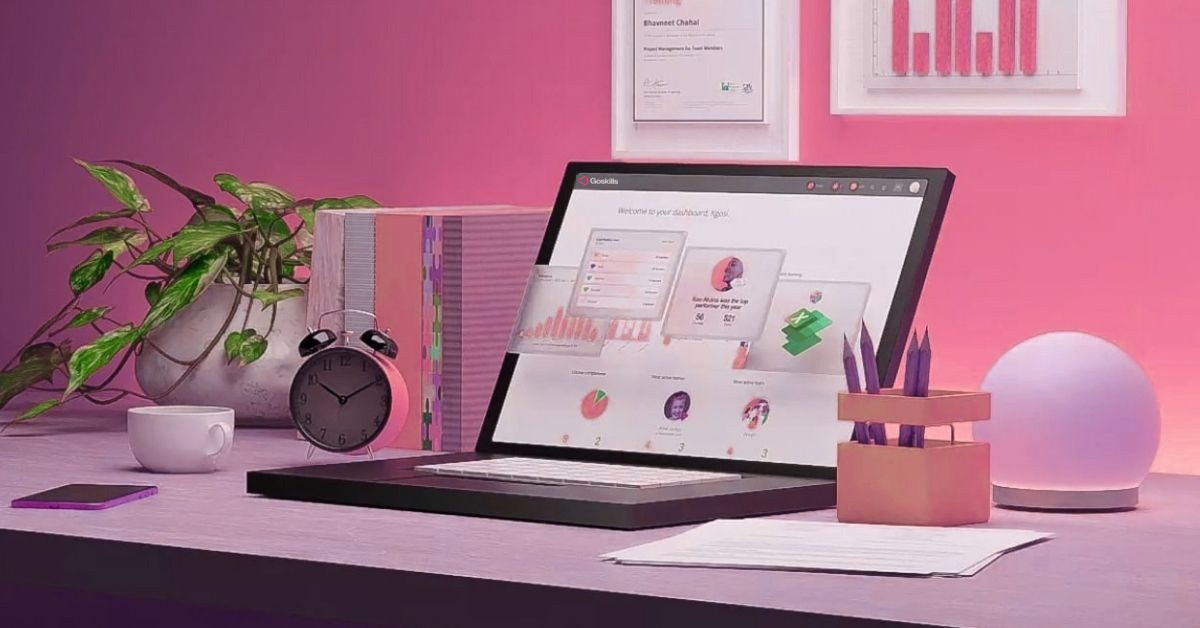
GoSkills is built for busy professionals who want job-ready skills without a big time commitment. Courses are taught by hand-picked industry experts and broken into bite-sized lessons averaging around five minutes, with micro-quizzes and practice files that help new skills stick. Certificates are accredited by bodies such as CPD, PMI, and IASSC and can be verified online. One subscription unlocks the full library, and a free account lets you try it before you commit.
Best for: Professionals building practical workplace skills like Microsoft applications, project management, and leadership.
Start your free trial
Get access to hundreds of bite-sized courses, taught by award-winning instructors
Start learning2. Coursera
Coursera partners with universities and companies such as Google, IBM, and Meta to offer courses, professional certificates, and even full degrees. Its Coursera Plus subscription starts at $59 per month, and many courses are free to audit. Coursera's credentials carry strong brand recognition, but courses tend to be longer and more academic, which can be a lot to fit around a full-time job.
Best for: Learners who want university-backed credentials and don't mind a bigger time commitment.
3. LinkedIn Learning
LinkedIn Learning offers a large library of business, tech, and creative courses. It costs $39.99 per month or $239.88 per year for individuals. Its biggest advantage is how easily certificates post to your LinkedIn profile. However, those certificates aren't accredited credentials, and courses are mostly lecture-style videos, with quizzes that are optional rather than built into the learning.
Best for: Professionals who want broad career-skills content tied to their LinkedIn profile.
4. Skillshare
Skillshare is a subscription platform focused on creative skills such as illustration, photography, design, and video. Classes are short and project-based, which makes them fun and hands-on. However, Skillshare doesn't offer formal certificates, and because many instructors publish on the platform, content quality can be inconsistent.
Best for: Hobbyists and creatives learning for personal projects rather than career credentials.
5. edX
Founded by Harvard and MIT, edX offers university-level courses, MicroMasters programs, and professional certificates from leading institutions. Most courses are free to audit, and verified certificates generally cost $50 to $200. The academic rigor is a real strength, but courses can be demanding and time-intensive, so edX is a better fit if you have several hours a week to commit.
Best for: Learners who want academic depth and credentials from top universities.
6. Pluralsight
Pluralsight specializes in software development, IT, cloud, and cybersecurity. Paid plans start at $29 per month. It stands out for hands-on labs and skill assessments that show you exactly where your gaps are. However, it has little to offer outside technical subjects, so it's not the right choice for business or soft skills.
Best for: Developers and IT professionals building deep technical expertise.
7. Udacity
Udacity, now part of Accenture, is known for its "Nanodegree" programs in data, AI, and programming. Its subscription costs $249 per month, the highest on this list. For that price, you get mentor-reviewed projects and career services that are hard to find elsewhere. However, the cost and time commitment put it out of reach for many self-funded learners, and the catalog is narrow outside of tech.
Best for: Career changers pursuing tech roles who want structured, project-based programs.
8. MasterClass
MasterClass offers beautifully produced video lessons from celebrities and world-famous experts in cooking, writing, music, business, and more. It's inspiring and entertaining, but it's more about storytelling than skill-building. There are no assessments or completion certificates, so there's no way to prove what you've learned.
Best for: Learners looking for inspiration and big-picture insights rather than practical, provable skills.
9. Khan Academy
Khan Academy is a nonprofit platform offering completely free courses, mostly in math, science, and test prep. Its structured exercises with instant feedback make it excellent for mastering fundamentals. However, it offers no certificates and very little professional or workplace-focused content.
Best for: Students and self-learners who want free, high-quality fundamentals.
Below is a side-by-side comparison table of these nine platforms. I'm leading with GoSkills — not just because it’s the home team, but because independent reviews (G2, Capterra) place it ahead of both Udemy and most of the rivals that follow.
Platform |
| Best for | Stand-out edge |
|---|---|---|---|
| GoSkills | Busy professionals who want bite-sized, job-ready skills | GoSkills’ interactive quizzes, badges, and CPD accreditations aren’t available on Udemy, and its above-average learner satisfaction score outpaces Coursera, LinkedIn Learning, and Skillshare. | |
| Coursera | University-backed certificates & degrees | Flagship partnerships with Google, IBM, Yale; credit-eligible pathways. Courses are longer and checkout prices higher than GoSkills. | |
| LinkedIn Learning | Career-oriented soft-skills + LinkedIn profile tie-in | Seamless certificate posting and large business library. Videos remain lecture-heavy; quizzes are optional, not embedded. | |
| Skillshare | Creative skills & hobbyists | Unlimited subscription unlocks 40k+ short classes. No formal certificates; content consistency varies. | |
| edX | Academic rigor + MicroMasters | MIT, Harvard, and corporate XSeries programs with proctored exams. Heavier time commitment; some programs follow a set schedule rather than self-paced learning. | |
| Pluralsight | Software & IT depth | Hands-on labs, skill IQ diagnostics, and enterprise paths. Highest monthly price on the list; fewer soft-skill tracks. | |
| Udacity | “Nanodegree” capstones | Mentor-graded projects in data & AI. Excellent career services, but $249/mo. sticker shock and limited course variety. | |
| MasterClass | Inspiration from celebrity instructors | Polished production and storytelling. Lacks assessments or completion certificates, so it’s hard to prove learning. | |
| Khan Academy | Zero-cost fundamentals | Entirely free, nonprofit catalog — great for math or SAT prep. No certificates, minimal professional-level content. |
Why GoSkills rises to the top
Measured against the six factors learners care about most, GoSkills stands out:
- Fair, transparent pricing. GoSkills doesn't rely on "discount carousel" pricing that makes it hard to know what a course is really worth. One clear subscription gives you access to the full course library, so you can learn as many skills as you need without paying course by course. You can also create a free account to try the platform before you commit.
- Recognized certificates. GoSkills certificates are accredited and endorsed by CPD, PMI, and IASSC, and each one can be verified online by employers. You earn them by passing assessments, not just by watching videos, so they carry more weight on your résumé or LinkedIn profile than a generic completion badge.
- Career relevance. The catalog is built around the skills employers are hiring for, including Microsoft Excel and Office, data analysis, AI, project management, and leadership, rather than hobby or niche topics. Lessons focus on practical, job-ready skills you can apply at work right away.
- Quality-controlled content. Unlike open marketplaces, GoSkills doesn't let just anyone publish a course. Every course is taught by a hand-picked industry expert with proven subject-matter expertise, and the catalog is curated rather than crowdsourced, so you're not left sorting the gems from the just-OK. Learners rate the experience highly: GoSkills holds a 4.8/5 learner satisfaction score, ahead of Coursera, LinkedIn Learning, and Skillshare.
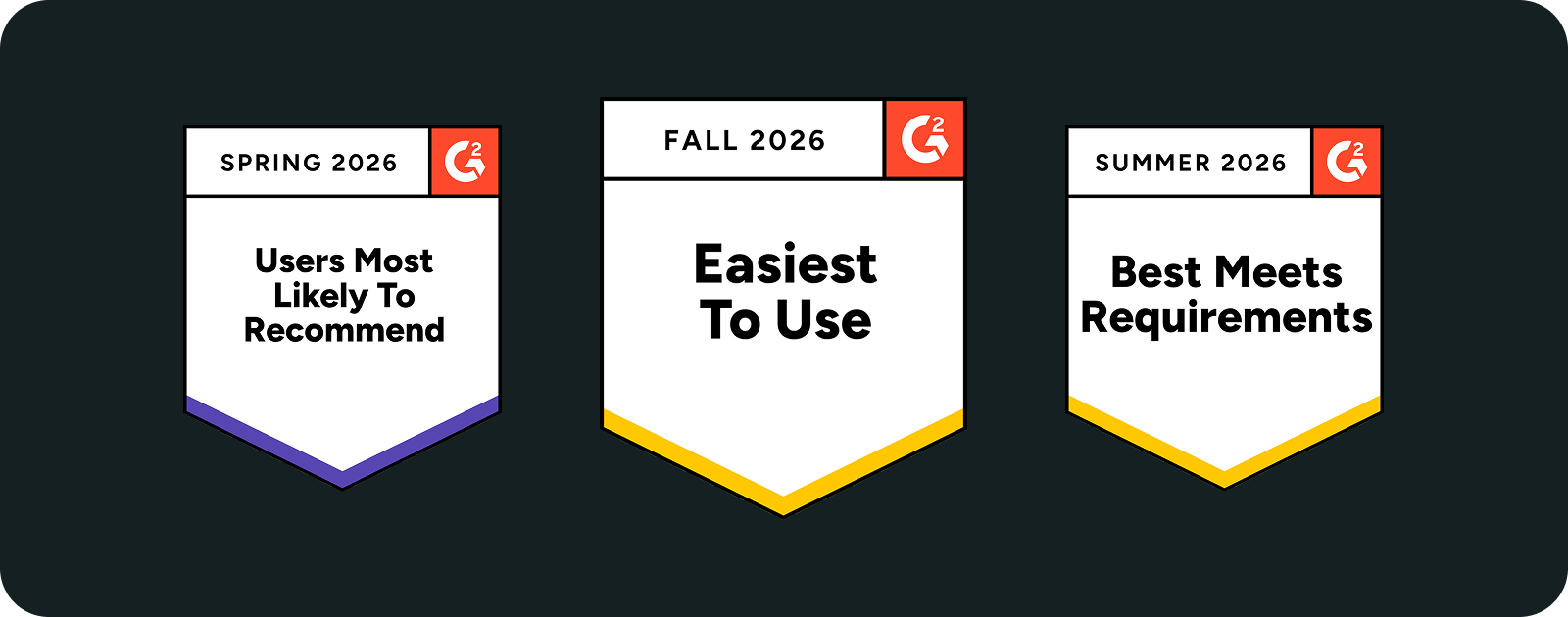
- Flexibility and self-paced learning. Lessons average around five minutes, so you can make real progress on a commute or a lunch break. Every course is on demand with unlimited replays, and the mobile-friendly platform, transcripts, and subtitles let you learn wherever and however suits you. GoSkills also earns the highest Ease of Use score on G2, which means less time figuring out the platform and more time learning.
- Practice projects. Learning science is part of how every course is designed. Micro-quizzes every two to three videos help lock in what you've learned, spaced-repetition reminders keep you on track, and hands-on practice files and Excel challenges let you apply new skills straight away. When you get stuck, the multilingual AI tutor is on hand to answer questions and keep you moving.
If you want credentials that employers recognize, courses built around real workplace skills, and a format that fits a busy schedule, GoSkills is the clearest step up from Udemy.
How to choose the right Udemy alternative
Every platform on this list does something well, but the best choice comes down to what you need from it. Before you sign up, run your shortlist through these six quick checks.
1. Start with your goal. Define a concrete outcome— “get PMP-ready,” “build an Excel dashboard,” “speak conversational Spanish”—then prioritize platforms whose catalogs (and certificates) map directly to that target.
2. Check lesson length and format. Micro-lessons (5-10 minutes) with built-in quizzes beat hour-long lectures when you’re squeezing study into commutes or lunch breaks.
3. Look for credible proof. Prefer verified or industry-approved certificates; they carry more weight on a résumé or LinkedIn than generic “completion” badges.
4. Test the learning tools. Downloadable practice files, mobile-friendliness, and progress reminders keep momentum when motivation dips.
5. Compare real costs. Single-course versus full library access: calculate total spend for the topics you're interested in learning — a discounted course price can be tempting but they add up.
6. Read support and community reviews. Find out what other users think rather than relying on marketing content to make your decision.
Carefully consider these six checkpoints and the best-fit platform usually reveals itself fairly easily. Still on the fence? Try GoSkills free for 7 days to see if it's right for you.
Start your free trial
Get access to hundreds of bite-sized courses, taught by award-winning instructors
Start learningIf you're looking to train your team, check out the Best Alternatives to Udemy Business for Employee Training.