Advanced Tools to Improve Your Thinking
Advanced Tools to Improve Your Thinking
What you’ll learn
Skills you’ll gain
The ability to think distinguishes humans from other sentient beings, giving us unparalleled power over our destiny. Having devoted his entire career as a college professor to understanding thinking, Michael Shermer, PhD, the award-winning author of Why People Believe Weird Things and The Believing Brain, draws on his forty years of research and teaching to distill the fundamentals of critical thinking, propelling your truth-seeking quest to a deeper level of wisdom and reasoning. Following these fifteen lessons, you'll learn how to test claims, beliefs and propositions with proven tools that enrich your understanding of the world. you'll discover how to distinguish between correlation and causality and determine causality under uncertainty, teasing out multiple variables to help identify the most important causes – not just the most obvious. Learn the value of adjusting your default setting to skepticism but proportion your belief to the evidence to guide you to better conclusions. By the end of this course, you'll be able to muse more knowledgeably about some of the world's most impenetrable and insoluble mysteries.
Syllabus
Download syllabus-
1
What is truth, Anyway? Understanding what makes something "true" is essential to being a critical thinker. 3m
-
2
Negative truths What does it take to prove something is true? In this lesson you'll discover the importance of skepticism to reasoning well. 2m
-
3
The Invisible Dragon Thinking about unique claims requires close attention to the support given to them. 2m
-
4
Claims Require Evidence Knowing when to be skeptical of an extraordinary claim can guide you to better conclusions. 3m
-
5
How Science Works Science is a wonderful tool to acquire new knowledge. After this lesson, you'll be able to state clearly the steps of the scientific method. 4m
-
1
Defining Causality Causality is one of the most important relationships to understand in science. After this lesson you'll be able to define causality clearly. 3m
-
2
Determining Causality Deciding when someone is caused by something else can be compicated. 3m
-
3
Correlation and Causation Correlation is a famously misunderstood relationship. In this lesson you'll recognize the complexities of correlation and causation. 4m
-
4
Why Correlation does not mean Causation Most of us want to know when something can be relied on to produce an effect we want. 3m
-
1
How to Think About Coincidences We've all experienced coincidences. But what do they mean? In this lesson you'll be able to evaluate just how special a coincidence is. 3m
-
2
How to Think About Synchronicity Even when the science might be dubious, coincidences can still feel emotionally resonant for us. 3m
-
3
How to Think About Miracles There's no agreed-upon definition of a miracle. 3m
-
4
How to Think About Religious Miracles Religious traditions are one of the most common sources of miraculous claims. 3m
-
5
The Difference Between Beliefs and Facts People may often ask you if you "believe in" certain ideas, but what's does it mean to "believe in" something? 4m
-
6
Mysterian Mysteries No matter how great of a thinker you are, there are some things that may remain unsolvable. 4m
-
1
Now get thinking! 1m
Certificate
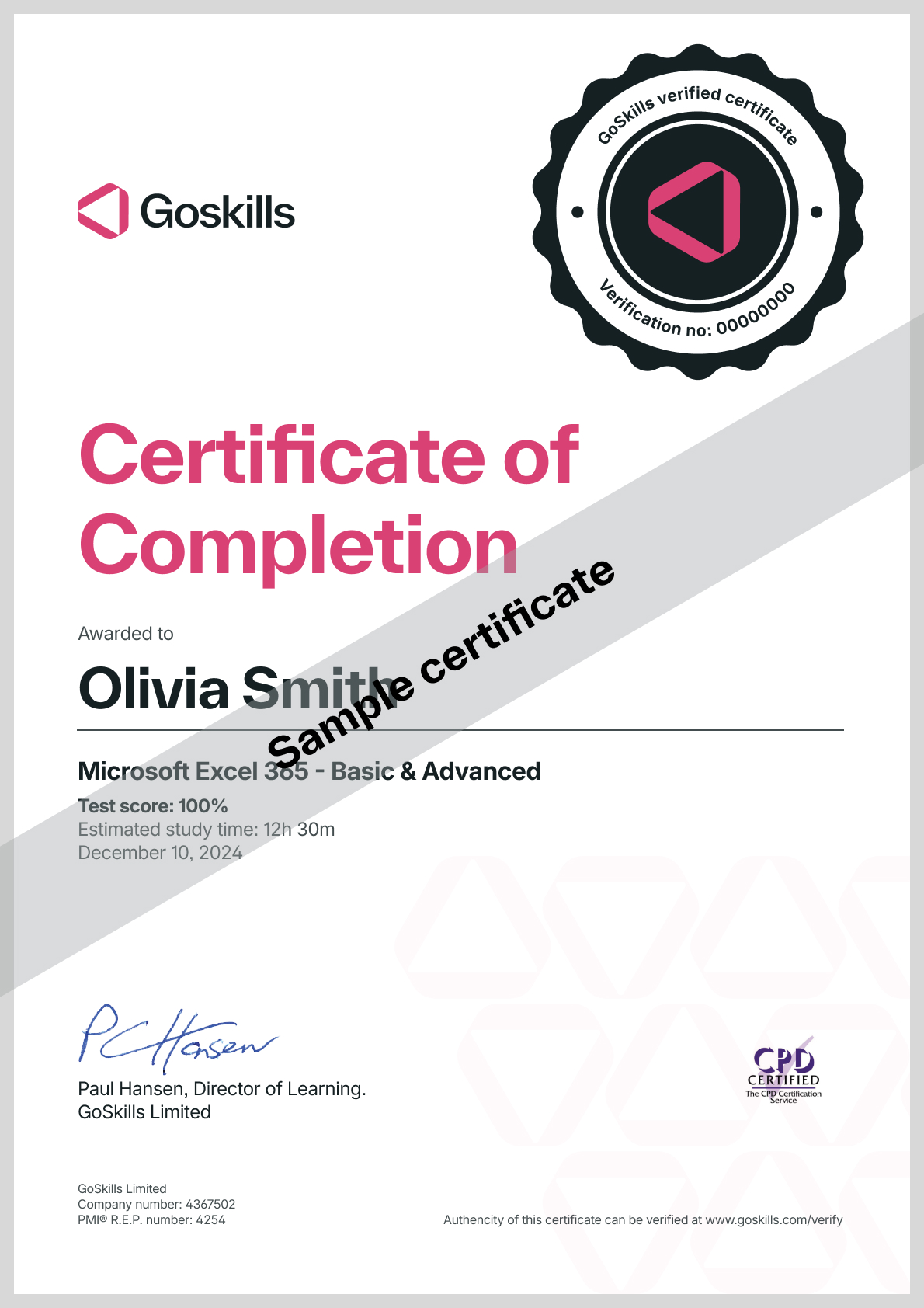
Certificate of Completion
Awarded upon successful completion of the course.
Instructor
Michael Shermer
Dr. Michael Shermer is a noted science writer, a professor, and the founding publisher of Skeptic magazine. Dr. Shermer also hosts the Science Salon Podcast and is a Presidential Fellow at Chapman University where he teaches Skepticism 101. For 18 years he was a monthly columnist for Scientific American. He is the author of New York Times bestsellers Why People Believe Weird Things and The Believing Brain, Why Darwin Matters, The Science of Good and Evil, and The Moral Arc. His new book is Heavens on Earth: The Scientific Search for the Afterlife, Immortality, and Utopia. Learn more at michaelshermer.com
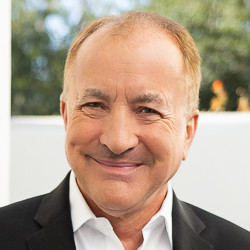
Michael Shermer
Science Writer, Professor, Publisher of Skeptic Magazine
Accreditations
Link to awards
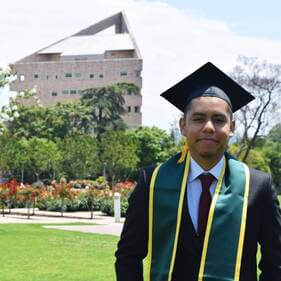
How GoSkills helped Chris
I got the promotion largely because of the skills I could develop, thanks to the GoSkills courses I took. I set aside at least 30 minutes daily to invest in myself and my professional growth. Seeing how much this has helped me become a more efficient employee is a big motivation.