How to Craft Content and Trainings that Keep Teams Engaged
How to Craft Content and Trainings that Keep Teams Engaged
What you’ll learn
Skills you’ll gain
When you're able to keep an audience engaged, you're able to better help them learn and retain key information painlessly. In this course, instructional designer and EdTech consultant Alex Mitts shares his guide to building learning experiences designed to maximize engagement. Alex first explores strategies to strip the content down to the bare bones in order to make it easier to follow. He then covers how you can break up your content and use different principles to structure the training or lesson plan to ensure it's easy to follow and reduces cognitive load. Alex also covers tactics to "feed the brain," or help stimulate your learners throughout the presentation. He concludes by sharing additional tips for engagement that will support your learners. You'll leave this course feeling confident in your ability to craft engaging learning content and experiences.
Syllabus
Download syllabus-
1
No more clutter If the material you're including isn't necessary for learning, it doesn't belong in your course. 2m
-
2
X marks the spot When presenting a lot of information, sometimes the really important stuff feels like finding a needle in a haystack. 2m
-
3
Keeping things close When you present information in a way that helps the brain make connections faster, you make it easier to learn the material. 2m
-
4
Ears and eyes Your senses, including your ears and eyes, typically work together, and keeping this in mind can help to craft a learning experience. 2m
-
5
Talking heads What your viewers are looking at is important, but many individuals aren't comfortable being on camera, which can make this a bit challenging. 2m
-
1
Information overload Sometimes you can have too much of a good thing, which is true when it comes to information in a learning experience. 2m
-
2
Give me a break The light at the end of the tunnel is important, which is why giving your learners some agency over their learning and breaking it down for them is important. 2m
-
3
Filling in the gaps Patching a few holes in your home doesn't take a lot of effort, but building a whole house from scratch is a different story. 3m
-
1
The modality principle The human eyes already do a lot of work in their day-to-day, so you can help with retention and deliver information auditorily. 3m
-
2
The multimedia principle A picture is worth a thousand words, so don't rule out the use of images in your eLearning! 3m
-
3
The personalization principle It’s hard to learn from someone you don't like, so design your trainings with your friends in mind. 2m
-
4
The voice principle Humans like to connect with other humans, and this is important to keep in mind when doing voice overs or additional supplements to your training. 2m
-
1
Recording better media When you go beyond the capabilities of a laptop webcam and microphone, you improve the experience for your learners drastically. 4m
-
2
Utilizing gamification Nothing levels up a learning experience like adding gamification to the mix! 3m
-
1
Time to craft Thanks for watching this course! Now, you should feel confident in your ability to build content and trainings that improve employee engagement. 1m
Certificate
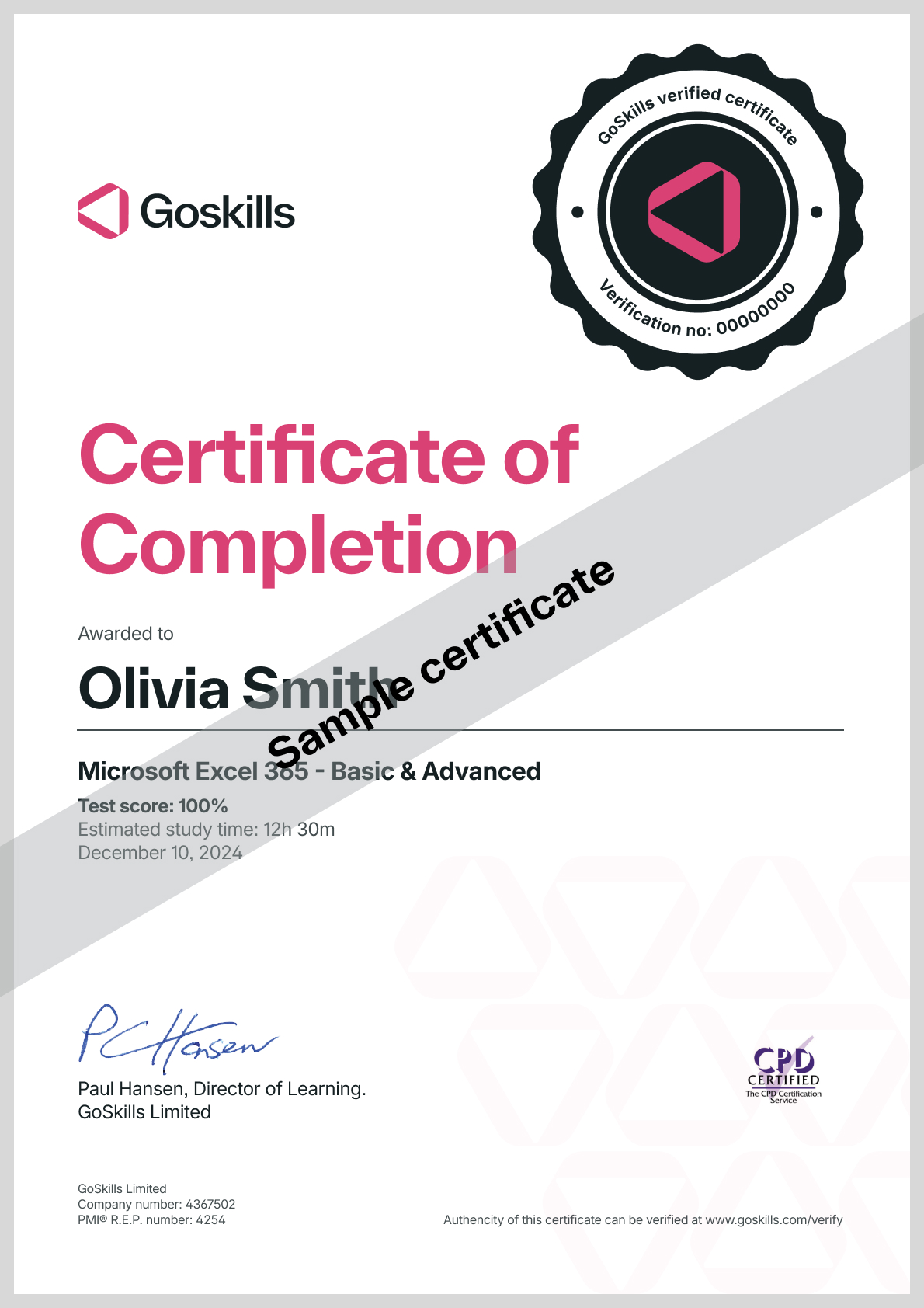
Certificate of Completion
Awarded upon successful completion of the course.
Instructor
Alex Mitts
Alex makes edutaining content that drives change in organizations. Alex's background in fine arts and media development creates the perfect combination of expertise that allows Alex to successfully design memorable and effective learning experiences. Alex has an MA in Educational Technology and a BA in English literature. He loves working with clients near and far to help them and their teams turn their collective knowledge up to 11!

Alex Mitts
Instructional Designer and Education Technology Consultant
Accreditations
Link to awards
How GoSkills helped Chris
I got the promotion largely because of the skills I could develop, thanks to the GoSkills courses I took. I set aside at least 30 minutes daily to invest in myself and my professional growth. Seeing how much this has helped me become a more efficient employee is a big motivation.