Having More Memorable Conversations
Having More Memorable Conversations
What you’ll learn
Skills you’ll gain
Think about the most powerful conversation you've ever had with someone else. Things were likely flowing, and you probably left the conversation feeling energized and excited about what you'd just discussed. In this course, communications expert Betsy Butterick shares her tips and tricks for how you can have more of these conversations. Betsy first reviews the fundamentals of a great conversation and gives you the basic tools to navigate its progression. She then provides specific tactics you can apply that can make a big difference in the effectiveness of your conversation. She goes on to explore how you can progress the conversation by asking questions, leaving room for dialogue, and even allowing for disagreement! Betsy closes by covering how you can effectively ask someone else for something without coming across as burdensome, and gives her tips for expressing meaningful gratitude to your conversation partners. You'll finish this course feeling excited and empowered to start having better conversations.
Syllabus
Download syllabus-
1
Conversational turns Understanding conversational structure gives you the opportunity to be more intentional in your interactions. 3m
-
2
Have the last word It's natural to think of your response while someone is still speaking, and yet doing so detracts from the ability to listen. 2m
-
3
Great listeners ask this question Good listeners demonstrate active listening. 3m
-
1
What's yours? The um's, the uhh's, the like's and the so's... 3m
-
2
Just building awareness Awareness is a prerequisite for change; you can't change what you're not aware of. 2m
-
3
Rules to live by Good manners are important when seeking to make a positive first impression. 1m
-
1
The story of "mu" The quality of your questions greatly determines the quality of your conversations. 4m
-
2
Questions for consideration If information is power, then it benefits you to ask questions that provide multiple data points. 2m
-
1
What's the big feel? Humans are constantly sending and receiving emotional messages, and your ability to accurately interpret those messages correlates to your overall understanding. 3m
-
2
Double-click on dopamine You can use the science of neurochemistry to intentionally give people a positive experience of conversing with you. 2m
-
3
Emotional granularity Are you mad, or are you frustrated? 3m
-
1
The three W's Knowing your audience is rightfully important, but how can you gather those insights in real-time? 3m
-
1
Say their name When people feel that you are truly present in a conversation, they leave that interaction with a more favorable impression of you. 2m
-
2
Feeling awkward? Okay Betsy, I gave it a try, and it still feels pretty awkward. 2m
-
1
But vs. and The difference between good communicators and great communicators is their understanding of how small shifts in language make a BIG difference. 2m
-
1
Processing the negative Your brain doesn't process negatives in the same way that you understand them when you say them. 2m
-
2
Why it matters When you tell people what you want, instead of what you don't want, you're far more likely to get the results you're looking for. 2m
-
1
Building your frame When you take the time to listen, you'll quickly be able to recognize what's important to your audience. 2m
-
2
Your ask in action A framework is great in theory, but what does it look like in action? 2m
-
1
Neuroscience for the win It's been said that fear cannot exist where gratitude is present. 4m
-
2
Gratitude practices Much like meditation, gratitude is something you like know is good for you, but it can feel like one more "to do" on your list. 2m
-
1
Leaving a lasting impression Thanks for watching this course! 1m
Certificate
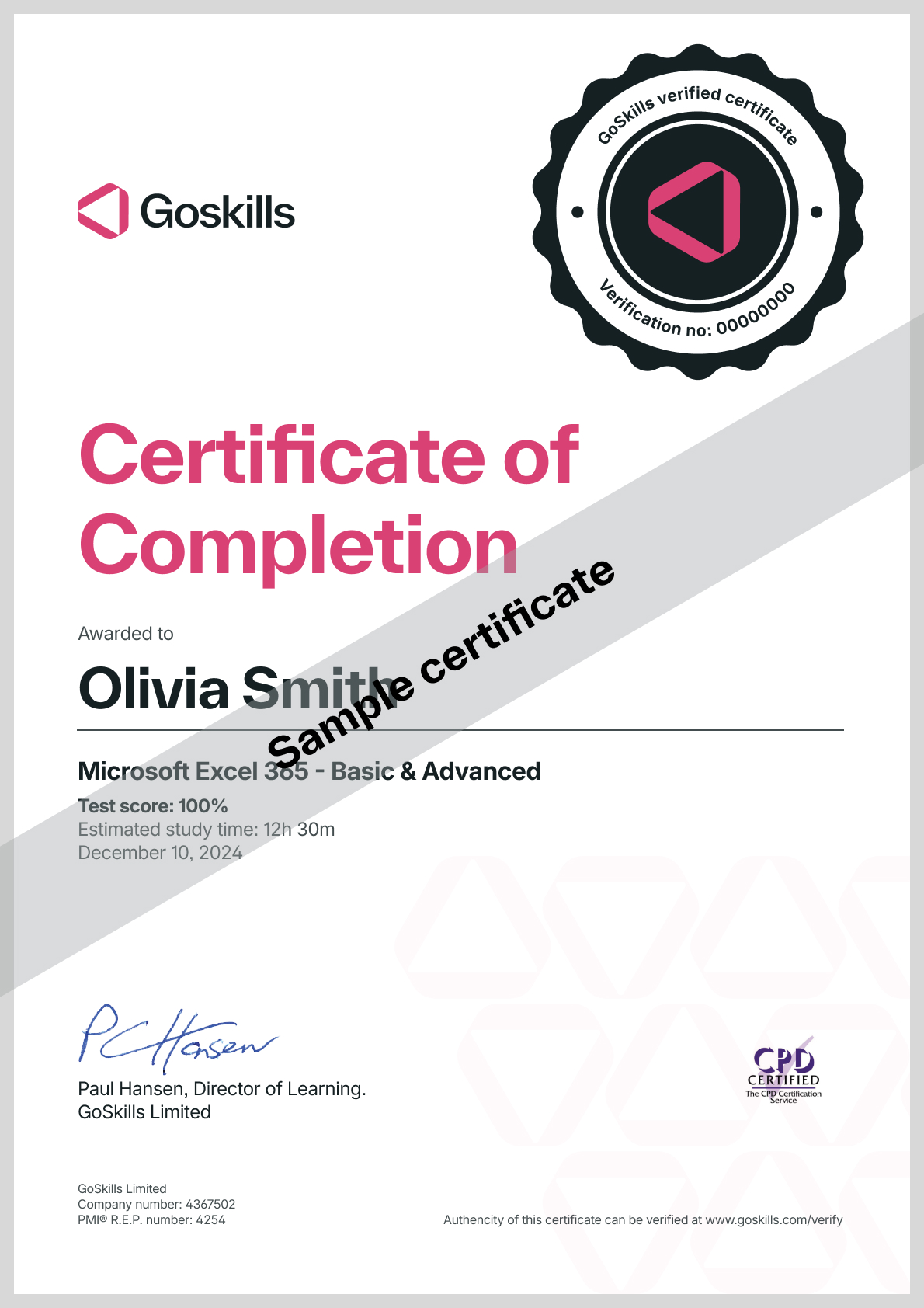
Certificate of Completion
Awarded upon successful completion of the course.
Instructor
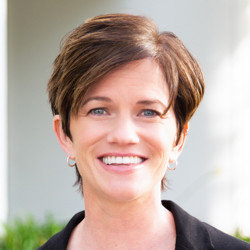
Betsy Butterick
Betsy Butterick is a communications specialist who helps organizations improve communication effectiveness to develop a competitive edge. Betsy is a former coach and uses her background in athletics to help individuals improve teams of all kinds - from the locker room to the boardroom. People are her passion, and language is her area of expertise. Betsy holds a BS in Psychology from Claremont McKenna College.
Betsy Butterick
Coach and Communications Specialist
Accreditations
Link to awards
How GoSkills helped Chris
I got the promotion largely because of the skills I could develop, thanks to the GoSkills courses I took. I set aside at least 30 minutes daily to invest in myself and my professional growth. Seeing how much this has helped me become a more efficient employee is a big motivation.