Leaders: Here’s How to Develop Your Employees
Leaders: Here’s How to Develop Your Employees
What you’ll learn
Skills you’ll gain
There is an old truism that says if you think training is expensive, try ignorance. And never is that more true than in today’s constantly evolving world of work. In order to get the most out of your employees, you'll need to create a culture of continued learning. You do this by building the knowledge and skills necessary to help them succeed in their roles. In this course, taught by executive coach and change management expert Ross Tartell, PhD, you’ll recognize the importance of alignment, how to identify the different needs of each team member, and cater to them for a personalized development experience. You’ll start by being able to articulate what training means, why it's relevant to ongoing learning, and how it functions within organizations. And because each of your employees learns differently, you’ll also be able to identify the activities that work best for them. You’ll even be able to help your team members create individual development plans and conduct impactful career development conversations. By the end of this course you’ll feel confident in your ability to evaluate a development approach, diagnose the learning needs of your team, and create impactful learning outcomes.
Syllabus
Download syllabus-
1
Learning is key Today's world of work is constantly evolving, and in order to navigate it, you'll need to create a culture of continued learning. 2m
-
2
Training as the solution In order to equip your employees with the tools and skills they need to be successful, you've likely heard of training as the answer. 1m
-
3
Aligning strategy and learning If you create an environment where your employees are developing themselves while also achieving organizational goals, that's a win-win situation. 2m
-
1
All about you Each of your employees learns differently, so it's important for you as a leader to help create and identify the activities that work best for them. 2m
-
2
Job functions and responsibilities The best way to start evaluating someone's learning needs is to look at the tasks they are responsible for in their role. 2m
-
3
Analyze performance problems There are personal and organizational factors that affect an individual's performance. 2m
-
4
Diagnose existing skills Understanding the individual's existing and transferable job related skills is crucial for identifying gaps for development. 2m
-
5
Employee motivation Motivated employees actively engage in developmental activities to improve their knowledge and skills. 2m
-
6
2.9306712962962962 Individuals learn what they need in order to be successful in three different ways. 2m
-
1
Organizations influence learning choices The choice of learning methodology is determined by the impact it will have and the likelihood that the methodology will work in an organization. 3m
-
2
Create a developmental plan Little gets accomplished without a plan. 2m
-
3
Forging your talent development skills No plan means no action. 1m
-
1
Thanks for watching! Thanks for checking out this course. 1m
Certificate
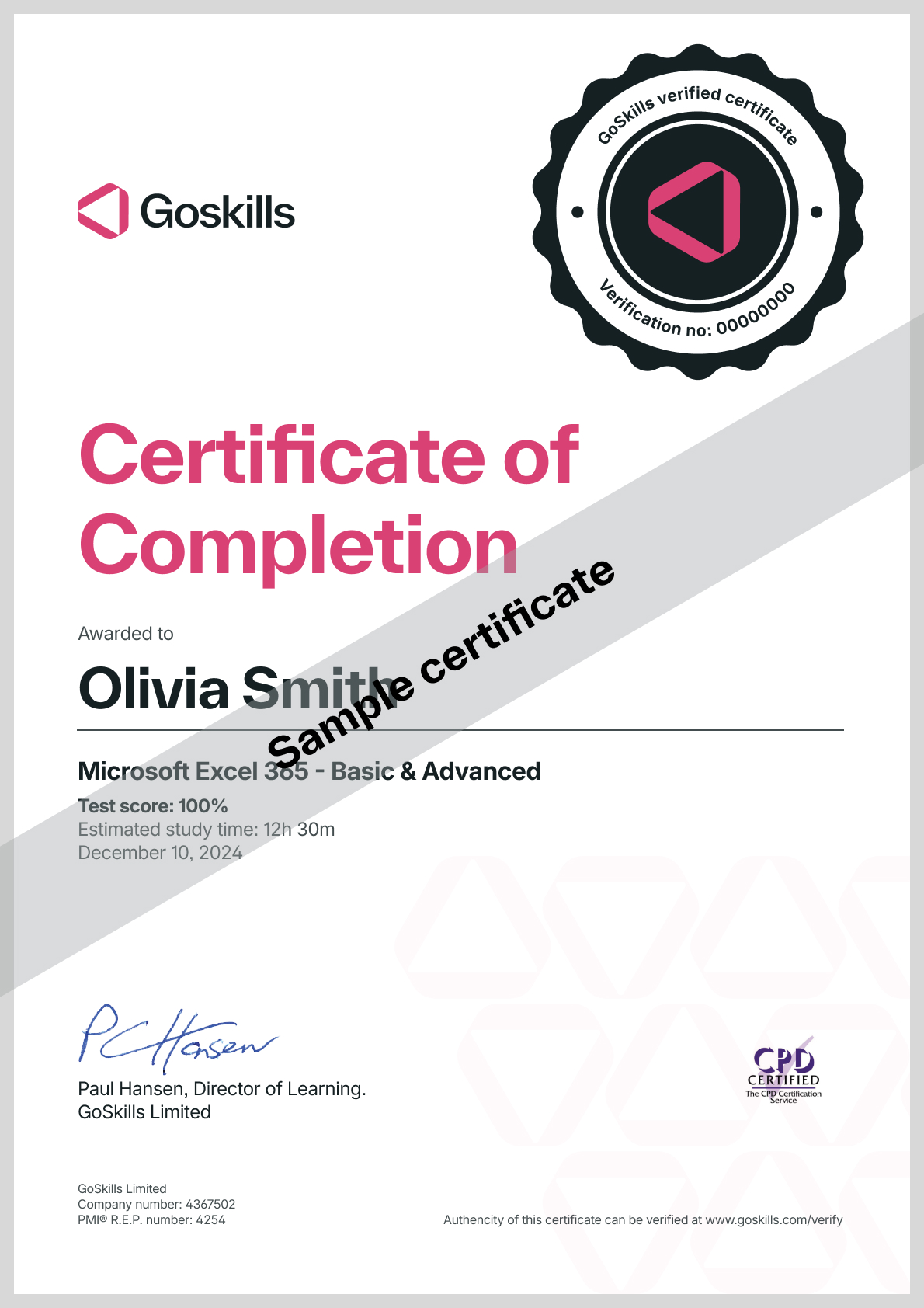
Certificate of Completion
Awarded upon successful completion of the course.
Instructor
Ross Tartell
Ross changes the trajectory of people’s lives. He uses his years of practical and in-depth professional expertise to help people make better decisions, become more successful in their work and improve their personal lives. He is Principal of Ross Tartell, Ph.D. Consulting and teaches at Columbia University. He has an M.B.A, M.Ed., and Ph.D. from Columbia University. Ross is a two-time past President of the Southern Connecticut Chapter of ATD and is a member of the editorial boards for Training magazine and the OD Review. Ross, is involved in a wide range of community activities and is an avid jogger.

Ross Tartell
Principal at Ross Tartell Consulting Inc.
Accreditations
Link to awards
How GoSkills helped Chris
I got the promotion largely because of the skills I could develop, thanks to the GoSkills courses I took. I set aside at least 30 minutes daily to invest in myself and my professional growth. Seeing how much this has helped me become a more efficient employee is a big motivation.