A Leader’s Guide to Overcoming Unconscious Bias
A Leader’s Guide to Overcoming Unconscious Bias
What you’ll learn
Skills you’ll gain
As a leader of a team, you have an inherent responsibility to create a space where your teams and employees can thrive and be successful. Unfortunately, one of the major difficulties to creating this type of environment is the presence of unconscious biases. In this course, top voice on workplace equity and tenured global diversity executive Netta Jenkins explores the significance of leaders that mitigate unconscious biases in themselves and others. First, Netta dives into key definitions, common reasons why bias occurs, and some of the telltale signs that unconscious bias is impeding one's thoughts. Then, Netta shares the downstream impacts of unconscious bias and its correlation to diversity, equity, and inclusion at work. She goes on to discuss mindset shifts leaders can make that’ll help them be more aware of their biases and how to reframe their decision-making processes. Finally, Netta discusses actionable steps leaders can take to create cultures where employees feel comfortable addressing bias when it occurs, and encouraging teams to become more equitable in the long term.
Syllabus
Download syllabus-
1
Defining unconscious bias Because of how nuanced and delicate the topic is, defining unconscious bias can pose challenges. 3m
-
2
Naming common biases There are dozens of biases that show up in the workplace. 3m
-
3
Why it happens There are several reasons why humans naturally lean on their unconscious biases, whether it's for power, position, ignorance, or another reason. 3m
-
4
Knowing the signs Like with every symptom, it's important to know what the signs are so you can try to stop the spread. 2m
-
1
Recognizing the reality Historically, unconscious bias has been challenging to address, but it doesn't have to be. 2m
-
2
Areas needing change As diversity, equity, and inclusion continues to evolve and cements its place in the business world, leaders must ensure that it is being appropriately prioritized. 2m
-
3
Ramifications of bias at work When problems concerning bias go unresolved, it can create a toxic work environment for those around you. 4m
-
4
Impact of bias on leadership Letting bias get in the way of your thinking can be especially detrimental when you are working in a management or supervisory role. 2m
-
1
Building awareness A natural first step towards overcoming unconscious bias is about building your awareness of the biases you have. 2m
-
2
The beginning of change Combating bias starts with self reflection and is driven by your interest and enjoyment. 3m
-
3
Functional diversity One of the most impactful ways to eliminate your unconscious biases is by incorporating a strategic mindset to diversity. 3m
-
1
Mitigating bias Leaders are in the perfect position to play an active role in calling out and mitigating biases at work, because they can model this behavior for their teams. 3m
-
2
Psychological safety In addition to creating negative work environments, issues with bias can have both a short and long-term impact on your relationships with others. 2m
-
3
Fostering openness When there are open lines of communication and transparency amongst colleagues, they are more likely to feel comfortable addressing a problem with bias. 3m
-
4
Building an ecosystem of trust All companies must develop an ecosystem of trust so all employees can feel comfortable addressing critical issues. 4m
-
1
True leaders Thank you for watching this course! 1m
Certificate
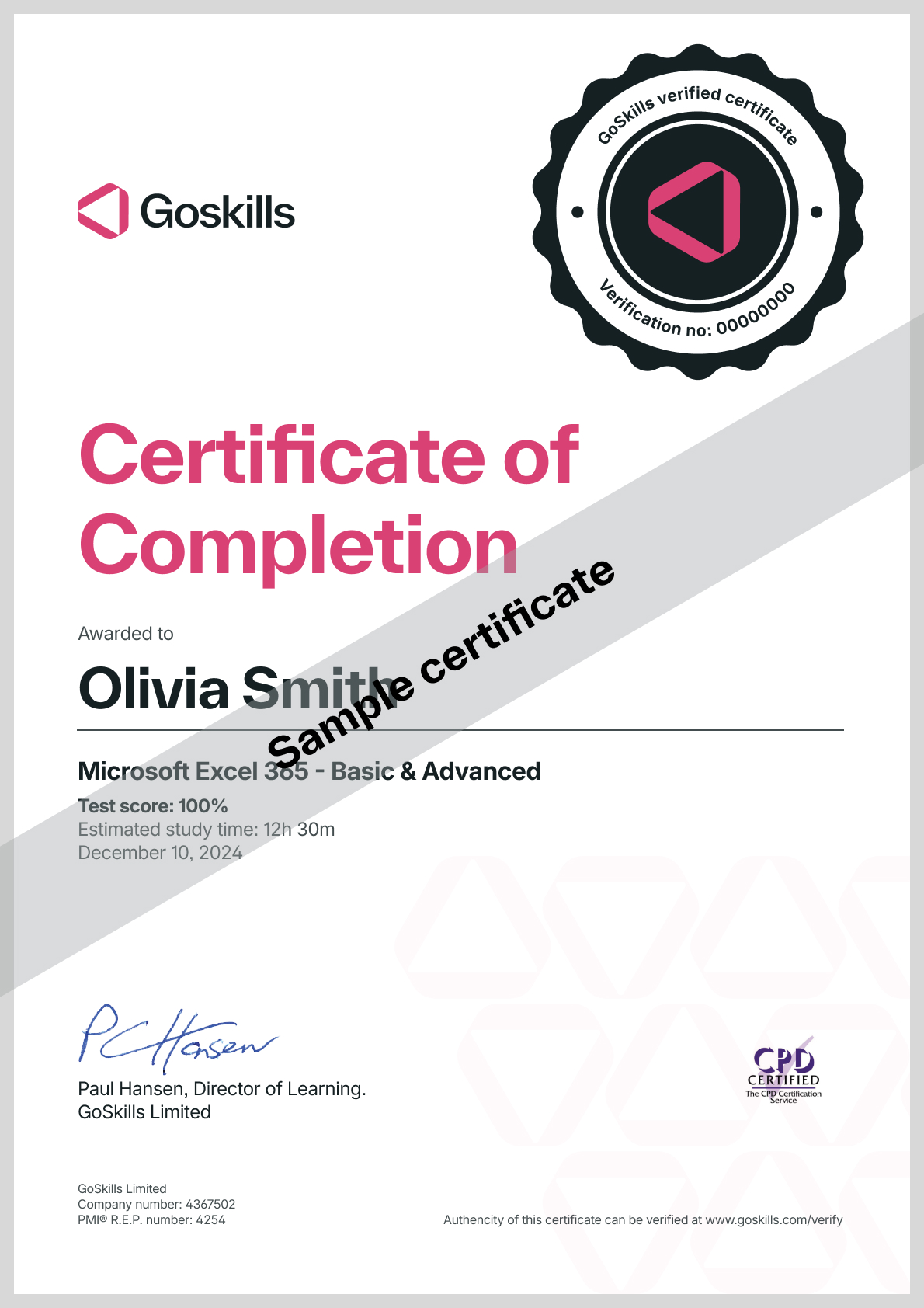
Certificate of Completion
Awarded upon successful completion of the course.
Instructor
Netta Jenkins
Netta is a diversity, equity, and inclusion executive coach and a leading voice in corporate diversity efforts. Netta has been featured as one of Forbes' top anti-racism educators and one of the top 10 most influential Black women in business to follow by CIO Views. Netta shares her deep background in communications, leadership, and behavioral psychology with her 200,000+ followers on LinkedIn, where she is listed as a Top Voice for equity within the workplace. Netta is passionate about partnering with organizations to create customized strategies that dismantle systemic gaps in the workplace and promote growth, respect, and happiness.

Netta Jenkins
Global Diversity Consultant, Entrepreneur, and Global Inclusion Executive
Accreditations
Link to awards
How GoSkills helped Chris
I got the promotion largely because of the skills I could develop, thanks to the GoSkills courses I took. I set aside at least 30 minutes daily to invest in myself and my professional growth. Seeing how much this has helped me become a more efficient employee is a big motivation.