Leading in the Moment
Leading in the Moment
What you’ll learn
Skills you’ll gain
As a leader, it’s up to you to keep your organization afloat. That’s challenging enough when everything is going right, but it's even harder when things are going wrong. To be in charge is to be the front line of defense against the sea of constant change in business, and you must lead on your feet. In this course, executive coach Kathy Klotz-Guest will be your guide to the world of improvisation and business. you'll learn how improvisation can help you, whatever your business environment, as well as how to use the tools of improv, including the infamous “Yes And” mindset to lead through moments of uncertainty. The truth is, you're already an improviser: You adapt and make choices every day. In this course, you'll keep improving those skills and start responding deftly to any challenge that comes your way.
Syllabus
Download syllabus-
1
What is improv The need for leaders who can improvise has never been greater. 2m
-
2
Leaders who improvise There are 6 key traits that all leaders who successfully use improv leverage to lead in the moment successfully. 4m
-
3
The role of psychological safety Building a space of psychological safety is the key to high-performing people, teams and cultures. 2m
-
1
‘Yes and’ mindset Building a ‘Yes And’ mindset is key to possibility and promise and to meeting the moment at hand. 4m
-
2
Self awareness Developing self-awareness is key to working your leadership muscle. 2m
-
3
Listening and presence A key tool for leaders is the ability to listen to others and help them feel heard. 2m
-
4
Making others shine Making people look good and having each others backs is a crucial principle in improvisation. 2m
-
5
Risk, mistakes and gifts Mistakes mean people are trying and learning. 3m
-
6
Being spontaneous Spontaneity and play happens when you let go and refrain from judgment. 2m
-
7
Building learning culture Building a ‘learning’ culture that runs on improv means making sure the tools flourish in your people and teams. 2m
-
1
Fear and courage Leaders who improvise recognize that fear and courage are two sides of the same coin. 2m
-
2
Play with fear Leading in the moment requires us to make choices about the unknown. 2m
-
3
Vulnerability is key Vulnerability is the bridge to leaning into fear in order to grow your courage muscle. 2m
-
4
The leadership gap Meeting yourself where you're at is always a first step. 1m
-
5
Intent vs. impact Leaders who lean into vulnerability acknowledge impact – and it’s not related to intent. 2m
-
1
Questioning your stories When you feel fear, there is an opportunity to step into leadership growth. 2m
-
2
Rewriting your stories Having more meaningful conversations relies on being able to change your narrative. 1m
-
1
Exercising your improv muscle 1m
Certificate
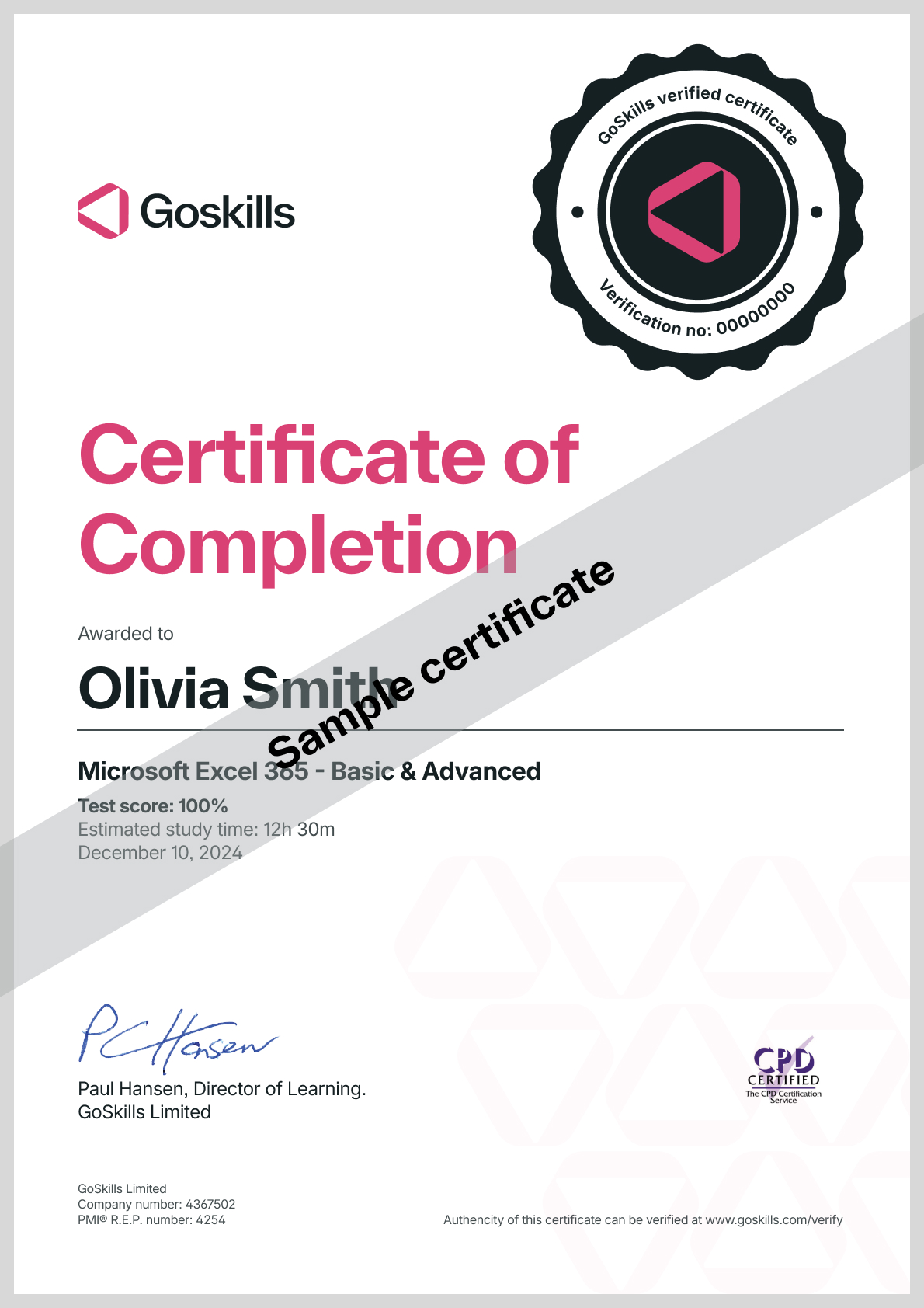
Certificate of Completion
Awarded upon successful completion of the course.
Instructor
Kathy Klotz-Guest
Kathy is the founder of Keeping it Human℠ (Inc.). With over 20 years of experience as a former Silicon Valley marketing executive, improviser, and sketch/stand-up comedian, she combines her business and comedy backgrounds to help individuals, teams, and companies embrace their humanity, foster creativity, and build resilience through improvisation and humor. Kathy received training at ComedySportz and studied sketch comedy at LA's Second City. Her work has been featured in Forbes and The Huffington Post, and her book, "Stop Boring Me!", was recognized as a must-read for leadership by Inc.com. It was also among the top 10 humor and communication books on Amazon in 2017. Alongside her speaking engagements, Kathy continues to teach and perform improv as well as stand-up comedy. She holds graduate degrees from Stanford University and UC Berkeley. While her kid still finds her funny, she realizes that window is closing.

Kathy Klotz-Guest
Founder, Keeping it Human
Accreditations
Link to awards
How GoSkills helped Chris
I got the promotion largely because of the skills I could develop, thanks to the GoSkills courses I took. I set aside at least 30 minutes daily to invest in myself and my professional growth. Seeing how much this has helped me become a more efficient employee is a big motivation.