Making Decisions Under Uncertainty
Making Decisions Under Uncertainty
What you’ll learn
Skills you’ll gain
Decisions are hard enough when we know exactly what’s at stake and what might happen, but so often we have to make decisions without having all of the information. This course is for anyone faced with needing to make tough calls under uncertain conditions. you'll learn a model for decision-making that you can easily apply to any situation to illustrate and contextualize possible outcomes. you'll also develop a deeper understanding of the psychology of decision-making, including the gap between how you usually think about past poor decisions, and how you should really be thinking about them. Your professor, Michael Shermer, PhD, a noted science writer, publisher, and a New York Times best selling author, will walk you through how to apply the decision-making matrix to some of your toughest real-life situations. These include large money management questions and intensely personal decisions such as who — or even if — to marry. By the end of this course, you'll have several strategies to improve your decision-making process, along with one very big realization about decisions: that it’s okay to sometimes make the wrong one.
Syllabus
Download syllabus-
1
Signal detection theory We are all faced with the task of making challenging decisions with limited information. 3m
-
2
Decision making in all walks of life The importance of national or international decisions is easy to recognize, but our personal decisions can have just as much of an impact. 4m
-
1
Dissonance and decisions Not all decisions are good ones. 4m
-
2
Self-justification and decisions It's natural to reframe past choices as better than they really were to protect yourself. 4m
-
3
Fundamental attribution bias To make the right decisions, we need to have correct information about the world we live in. 3m
-
1
The two-by-two matrix Signal Detection Theory uses the tool of a two-by-two matrix to represent possible outcomes of a decision. 3m
-
2
A matrix of medical decisions Medical decisions are a common example of decisions made under unclear circumstances. 4m
-
3
A marriage matrix It's tempting to imagine love as something beyond the realm of rational decision-making. 3m
-
4
Deciding on the "the one" The decision of who - and if - to marry is one of the biggest ones in a person's life. 3m
-
1
Money decisions Financial decisions can have an enormous impact on your life. 5m
-
2
More money decisions We all have biases we're unaware of which inhibit our ability to make smart financial decisions. 5m
-
3
Framing financial decisions Have you ever found yourself spending more money with a credit card than you would have with cash? 3m
-
1
D' numbers How do you know when to make a decision, or which option to choose? 3m
-
2
Decision making with d' numbers How accurate are your decisions? 3m
-
3
Why we make wrong decisions It may seem that if we can just gather enough information, we can always make the right decision. 3m
-
4
12 methods for decision making No one can tell you what the right choices are for your life. 5m
-
1
Make methodical decisions Congratulations on completing this course. 1m
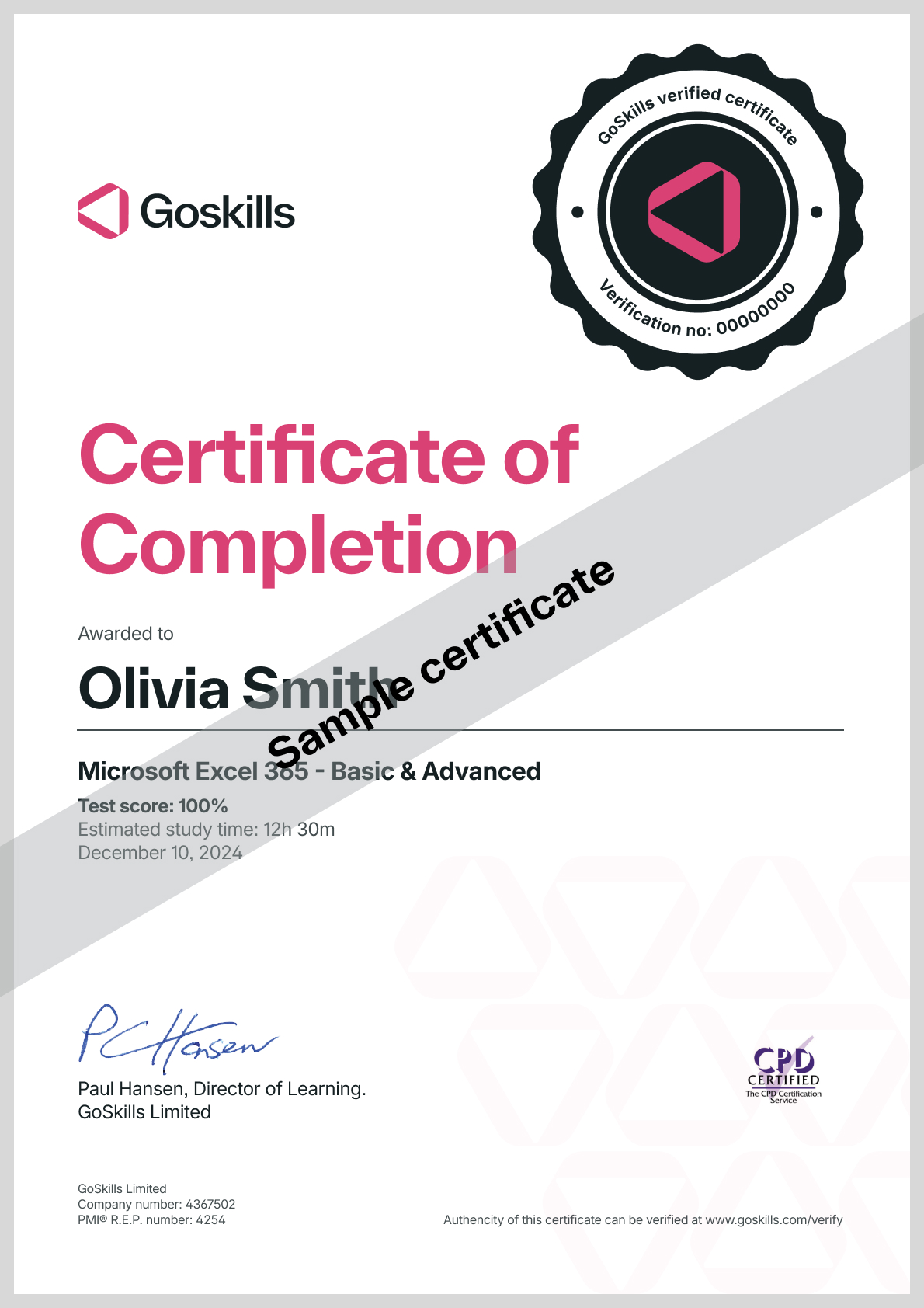
Certificate
Certificate of Completion
Awarded upon successful completion of the course.
Instructor
Michael Shermer
Dr. Michael Shermer is a noted science writer, a professor, and the founding publisher of Skeptic magazine. Dr. Shermer also hosts the Science Salon Podcast and is a Presidential Fellow at Chapman University where he teaches Skepticism 101. For 18 years he was a monthly columnist for Scientific American. He is the author of New York Times bestsellers Why People Believe Weird Things and The Believing Brain, Why Darwin Matters, The Science of Good and Evil, and The Moral Arc. His new book is Heavens on Earth: The Scientific Search for the Afterlife, Immortality, and Utopia. Learn more at michaelshermer.com
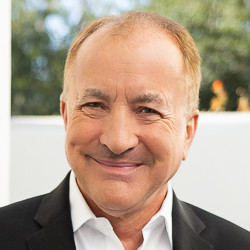
Michael Shermer
Science Writer, Professor, Publisher of Skeptic Magazine
Accreditations
Link to awards
How GoSkills helped Chris
I got the promotion largely because of the skills I could develop, thanks to the GoSkills courses I took. I set aside at least 30 minutes daily to invest in myself and my professional growth. Seeing how much this has helped me become a more efficient employee is a big motivation.