Problem Solving Across An Organization
Problem Solving Across An Organization
What you’ll learn
Skills you’ll gain
All organizations have problems. And, all organizations have the tools to solve those problems. In this course, inclusive leadership expert Amani Edwards walks the learner through a people-centered approach to problem solving across an organization. Amani begins the course by emphasizing the importance of understanding the people and the culture within an organization. She gives actionable insights to help you better understand your organization so you can begin the process of solving problems equitably and efficiently. Next, Amani dives into the process of identifying the underlying issues at play in the problem, and she also walks the learner through the process of identifying all involved players in the problem at hand. Then, Amani dives into the process of creating problem solving goals and taking action on those goals. Finally, Amani concludes the course by describing how to evaluate the success of the problem solving and determine next steps from there. After completing this course, the learner will be equipped with an effective problem solving strategy that alleviates issues in the short-term, while setting up the organization for long-term success.
Syllabus
Download syllabus-
1
Viewing problems through a cultural lens Organizations should have a clear vision of who they are: not just what they do, but what their culture is. 1m
-
2
Identifying the people Understanding your culture also requires an understanding of who you are working with. 2m
-
3
Identifying your clientele It's important to understand your organization's purpose and who you're trying to serve so that you can better anticipate their needs and how you'll want to navigate solving their problems. 3m
-
1
Identifying the problem You cannot begin to problem solve until you find the problem first. 2m
-
2
Identifying the players You need to understand who the involved parties are in the problem to better understand how to solve the problem and prevent it from arising again. 2m
-
1
Defining your desired outcomes Now that the problem and the players have been defined, what should be done about it? 1m
-
2
Creating a roadmap Now that we understand where we want to go, how do we get there? 2m
-
3
Evaluating your goals When setting goals, you must ask yourself if the goals are attainable and take into account the current capacity, policies, and procedures of the organization. 2m
-
4
Discussing alternative options Once your goals are defined, there needs to be another round - or rounds- of review to make sure that other alternatives are considered and projects are not being duplicated. 1m
-
1
Gaining buy-in You must get buy-in, not just from those involved, but from those in leadership. 1m
-
2
Transparent communication It is important for you to make sure there is transparency in the process when implementing a goal, policy, or any change. 2m
-
3
Monitoring progress You must monitor the progress towards your goals as this is important to make sure everyone involved in the process of implementing the solutions or initiatives is on track to complete their work in the time allotted. 2m
-
1
Setting up evaluation processes Having methods in place to communicate progress and pitfalls is essential during the process of evaluating the success of your solutions. 2m
-
2
Deciding next steps Most problems require long term surveillance to mitigate future issues, so understanding the results of the evaluation are key to short and long term problem solving. 1m
-
1
Problem solving across an organization Thank you for watching this course! 1m
Certificate
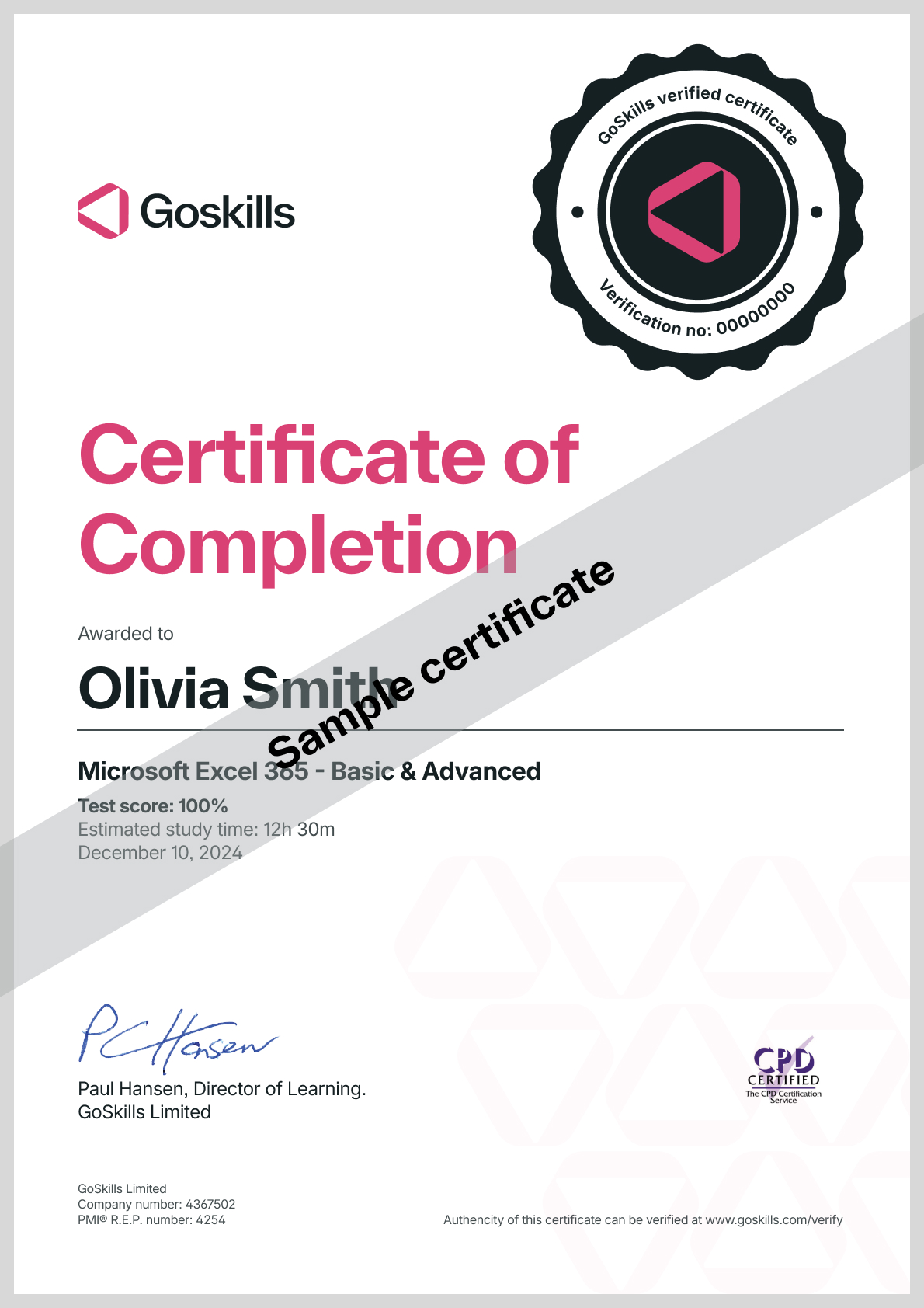
Certificate of Completion
Awarded upon successful completion of the course.
Instructor
Amani Edwards
Amani is the Managing Director of Diversity, Equity, and Inclusion at Everytown for Gun Safety. She has eight years or research and practical experience in the organizational leadership space, where she focuses on people-centered approaches to organizational issues. Amani's work focuses on sustainable changes and continued engagement among employees.

Amani Edwards
HR and DEI Trainer and Leader
Accreditations
Link to awards
How GoSkills helped Chris
I got the promotion largely because of the skills I could develop, thanks to the GoSkills courses I took. I set aside at least 30 minutes daily to invest in myself and my professional growth. Seeing how much this has helped me become a more efficient employee is a big motivation.