Reframing: The Power of Changing Your Perspective
Reframing: The Power of Changing Your Perspective
What you’ll learn
Skills you’ll gain
Tricky situations are thrown at you all the time in the workplace, and you may find yourself regularly feeling out of options. It can be easy to think you only have two choices, located squarely between a rock and a hard place. But the truth is, there’s always another option and another way of seeing the problem. It’s available through reframing: the power of looking at a situation through a new perspective. In this course, tech industry veteran and executive coach Lia Garvin will walk you through the skill of reframing and how to apply it to a variety of common challenges in the workplace. you'll learn how to make feedback less hurtful and more helpful, whether it comes from others or from yourself. you'll also gain strategies on how to refine your career and personal goals in light of your values, and how to define the story you want to tell through your projects and work. Lia will also give you the tools to beat the demons of comparison in order to start living a life full of possibility.
Syllabus
Download syllabus-
1
Understanding reframing Have you ever felt stuck, trapped between a rock and a hard place? 2m
-
1
What is feedback? Feedback is a datapoint about how we're being perceived by someone else. 2m
-
2
Why is feedback so hard? Receiving feedback is often challenging and can lead us to spiral into negativity. 3m
-
3
Beating the critics You're often your harshest critic. 2m
-
1
Telling your story It can be difficult to talk abour your work and accomplishments. 3m
-
2
Effort vs impact It's so easy to fall into thinking that your effort will always translate to impact at work. 3m
-
1
Understanding your values Understanding your values helps you get crystal clear on the motivation behind your goals. 3m
-
2
Focusing your energy It can be hard to know whether you should focus your energy on your strengths or your weaknesses. 2m
-
3
Goal fluidity Goals can be fluid, and in times of uncertainty, it's even more important to widen the definition of success. 3m
-
1
Fix the fixer Taking pride in being a "fixer" at work is common, but solving problems for others isn't always the secret to success. 3m
-
2
More isn't better More work isn't always better, and often doing more work only gives you an unsustainable amount of work over time. 3m
-
1
Embracing empathy Holding multiple truths is about understanding the different perspectives and experiences of the people in your life. 3m
-
2
Center of the universe Removing yourself from the center of the universe can free you from the dreaded impostor syndrome. 3m
-
1
Let's talk mindset Your mindset makes all the difference in how you think about your mistakes. 3m
-
2
Oh well When you make a mistake, you can stop the self criticism by saying, "oh well." After this lesson, you'll be able to reframe your perspective on mistakes from rumination to letting go. 3m
-
1
Recognize the negativity Recognizing negative thoughts is a powerful antedote for comparing yourself to others. 3m
-
2
Practice gratitude Practicing gratitude is another tool to overcome comparison. 3m
-
3
Embrace the FOMO Sometimes FOMO is actually a window into a goal or aspiration. 3m
-
1
Your path forward 1m
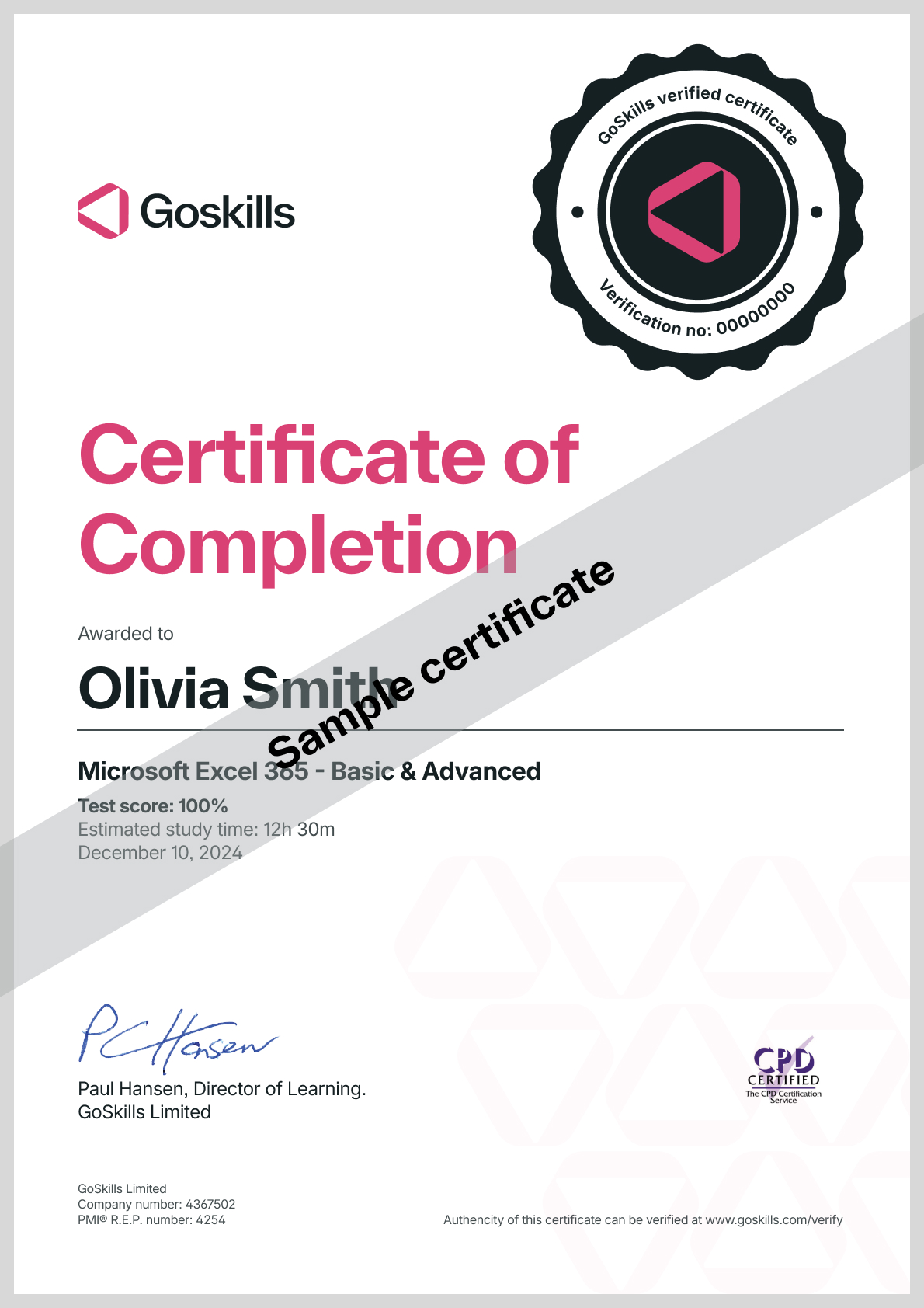
Certificate
Certificate of Completion
Awarded upon successful completion of the course.
Instructor
Lia Garvin
Lia Garvin, the "Team Whisperer," is a keynote speaker, 3x bestselling author, and management consultant who helps leaders build unstoppable teams. Leveraging strategies honed during her tenure at Google, Apple, and Microsoft, Lia strikes the balance of relatable and knowledgeable, breaking down complex management concepts into actionable frameworks that reduce overwhelm and improve team performance in industries from insurance to homebuilding to tech and beyond. Her bestselling books and top-ranked podcast Managing Made Simple showcase her unique ability to make leadership engaging and accessible at all levels.
A TEDx speaker featured in Harvard Business Review, Fast Company, the Wall Street Journal, and Fortune, Lia is a sought-after keynote speaker and consultant for organizations ready to unlock their teams' full potential.

Lia Garvin
Keynote Speaker, Author, & Management Consultant
Accreditations
Link to awards
How GoSkills helped Chris
I got the promotion largely because of the skills I could develop, thanks to the GoSkills courses I took. I set aside at least 30 minutes daily to invest in myself and my professional growth. Seeing how much this has helped me become a more efficient employee is a big motivation.