UX Design Basics: The Intersection of Psychology and Design
UX Design Basics: The Intersection of Psychology and Design
What you’ll learn
Skills you’ll gain
A quality user experience is necessary to create successful products no matter their form. In this course, UX psychology consultant Tiziana d'Agostino will show you some principles not taught in UX design courses: how to ethically leverage psychology, create products to delight customers, how to increase brand loyalty along with company revenues. She will explain the main psychological concepts you need to create stellar products and will demonstrate how to apply them. Each chapter will explain principles using practical examples, and you’ll recieve a cheat sheet to use in your design work. Upon completing this course, you will have the tools needed to weave psychology and design into your career.
Syllabus
Download syllabus-
1
Types of psychology Psychology provides a map of the human mind. 3m
-
2
ROI of design psychology Successfully learning and implementing design psychology can take time and money. 3m
-
1
Two processing models For years, it's been assumed humans are rational beings making rational decisions. 4m
-
2
Cognitive overload Your brain can only absorb so much information at once. 3m
-
3
Cognitive biases Your brain uses mental shortcuts all the time. After watching this lesson, you'll be able to ethically apply common mental shortcuts to your designs. 4m
-
1
Attention is limited Human attention is focused and limited. 3m
-
2
Distractions everywhere People are easily distracted. After watching this lesson, you'll be able to reduce distraction to a minimum to maximize engagement levels. 4m
-
1
How we see the world Your vision system guides your attention. 4m
-
2
Gestalt psychology Humans are hard-wired to look for patterns. 4m
-
3
Banner blindness Your customers have trained their eyes to ignore ares they've deemed unimportant. 2m
-
4
Reading is hard Reading requires a lot of mental effort. After watching this lesson, you'll be able to make the task easier for your customers. 3m
-
1
Different types of memory Memory is not just a warehouse -- your long-term and short-term memory are interconnected. 3m
-
2
Supporting memory Intentional recalling information is difficult and unpredictable. 3m
-
1
Emotional decision-making Emotions are at the core of most, if not all, of your decisions. 3m
-
2
Mood influences Mood can influence how you perceive the world. 2m
-
3
Emotions and persuasion Humans are emotional beings, and you can access your customer's emotions for ethical persuasion. 4m
-
1
Using ethical nudges Behavioral design aims to change consumers' behavior for their own good. 4m
-
2
Deceiving patterns When a gentle nudge becomes a shove, you are manipulating your customers. 4m
-
3
Benefits of ethical design Ethical design is good for business as well as customers. 2m
-
4
T.A.R.E.S. test How do you know your design is ethical? After watching this lesson, you'll be able to apply the T.A.R.E.S. test to your design. 3m
-
5
Ethical guidelines There are many ethical guidelines you can use when you design. 4m
-
1
Next steps and resources Thank you for watching this course! Now you're ready to apply psychology to design to create intuitive and profitable user experiences. 1m
Certificate
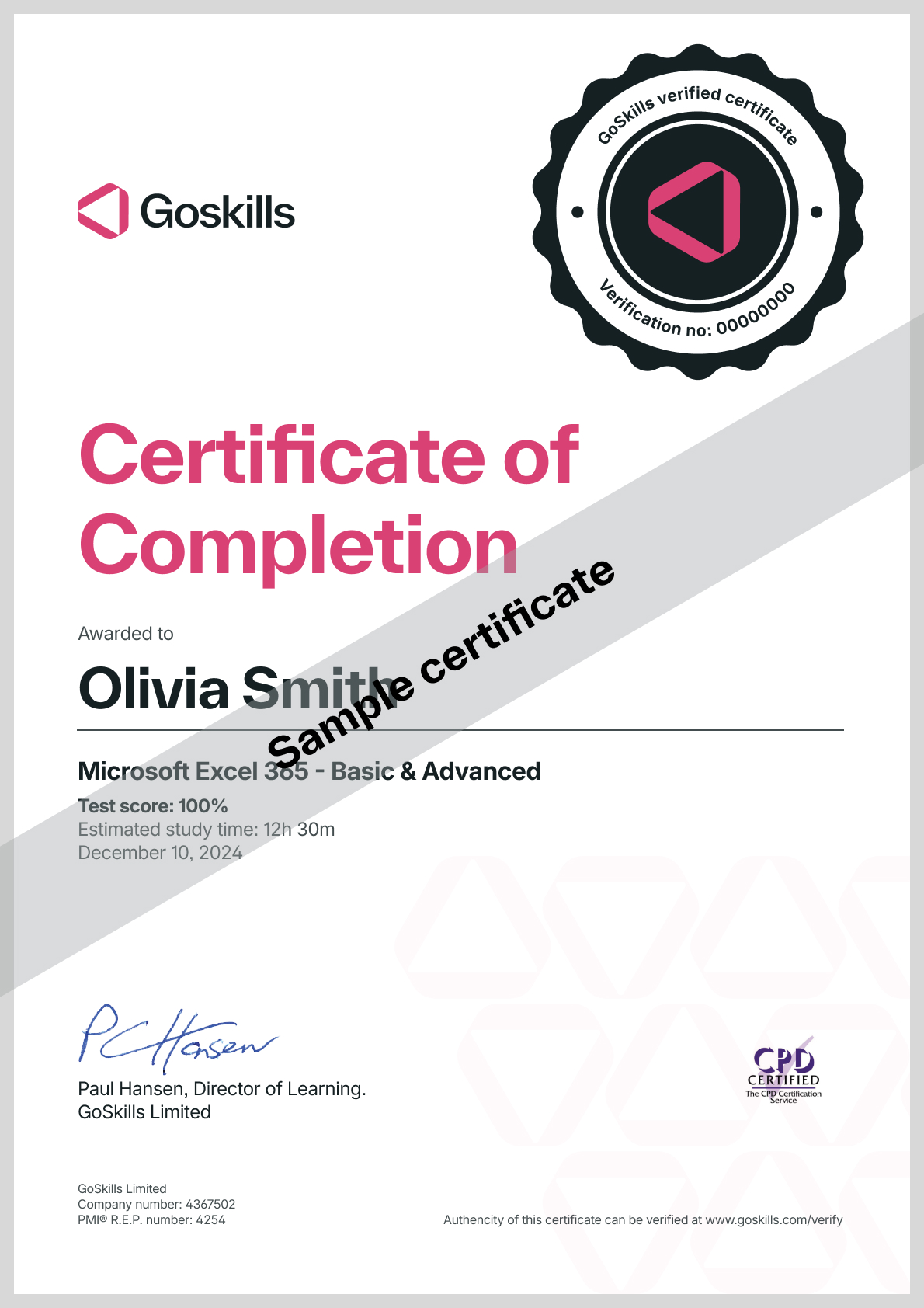
Certificate of Completion
Awarded upon successful completion of the course.
Instructor
Tiziana d'Agostino
Tiziana is a UX Psychologist and Interaction Design Consultant, specializing in ethical design and humane technology. Her background in graphic design, web development and psychology has equipped her with a holistic approach to projects impacting the user experience; her extensive teaching experience has enabled her to distill complex ideas into understandable content. Originally from Italy, she earned a bachelor’s degree in graphic design and a master’s in media psychology. Tiziana is a founding member of the Ethical Design Network, where she writes about topics related to UX, Psychology, and Ethics.

Tiziana d'Agostino
UX Pyschologist, Designer, and Educator
Accreditations
Link to awards
How GoSkills helped Chris
I got the promotion largely because of the skills I could develop, thanks to the GoSkills courses I took. I set aside at least 30 minutes daily to invest in myself and my professional growth. Seeing how much this has helped me become a more efficient employee is a big motivation.