14 Things to Do When You Lose Your Job
14 Things to Do When You Lose Your Job
What you’ll learn
Skills you’ll gain
Losing a job can be a traumatic experience. It’s normal to feel lost and overwhelmed as you try to pick up the pieces after this major—and often unexpected—change. However, being an active participant rather than a passive one can make a big difference. In this course, you'll learn how to act from a position of strength and knowledge, ready to seize your next opportunity. you'll not only discover practical strategies such as how to take advantage of special insurance programs to keep you covered, but you'll also get a proactive game plan if you haven't been laid off yet but think it’s coming. This includes bolstering your emergency fund, how to make a compelling resume, and taking advantage of any unused benefits before they are gone. Taught by instructor and fiduciary Jeff Harley, you'll also discover ways to handle emotional ramifications, such as avoiding panic and how to think critically about what to do next. This course will have you ready to seize your new opportunity.
Syllabus
Download syllabus-
1
Bolster your emergency fund If you haven't been laid off yet, but think it's coming, start bolstering your emergency fund. 1m
-
2
Dust off your resume You should always be ready to seize a good opportunity, and this starts with a prepared resume. 2m
-
3
Maximize your remaining benefits Take advantage of any unused benefits before they are gone. 2m
-
4
Don't quit your job Quitting your job almost guarantees you will not receive severance or unemployment benefits. 1m
-
1
Finalize your exit The last days of work can be a whirlwind of information -- but being an active participant instead of a passive one can make a big difference. 2m
-
2
Assess your insurance coverage You likely will lose some insurance when you leave your job. 2m
-
3
File for unemployment ASAP Running out of cash is scary, so you should file for unemployment as soon as you're eligible. 1m
-
4
Assess your financial situation Losing your job can come with a financial strain. 2m
-
5
Consider best and worst case If you lose your job, don't panic -- just start making plans. 2m
-
6
Revisit your budget Re-budgeting can mitigate major pitfalls associated with losing your job. 2m
-
7
Give yourself time to grieve Be kind to yourself, this is a big change in your life and it will be hard. 2m
-
1
Create structure in your life Your full time job is now finding a new job, treat it as such. 2m
-
2
Ask for help finding a job Everyone loses their job at some point -- don't be afraid to ask for help. 1m
-
3
Make major lifestyle changes Sometimes unemployment continues longer than expected. 2m
-
1
Recommendations to get moving 1m
Certificate
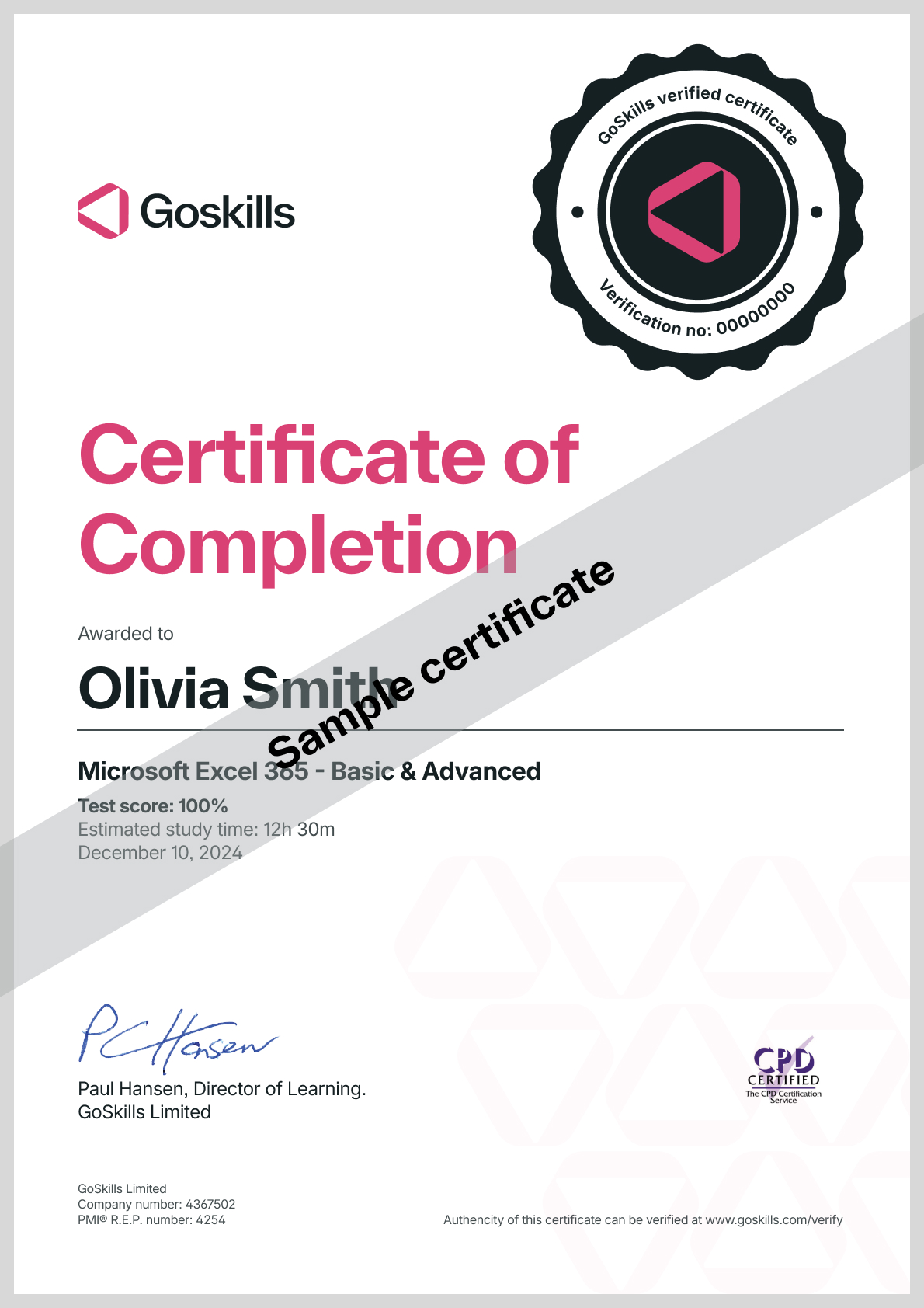
Certificate of Completion
Awarded upon successful completion of the course.
Instructor
Jeff Harley
Jeff Harley is the Founder & Principal Advisor at Pierpont Financial Advisors LLC where he advises clients on all aspects of their financial life. The firm focuses on career changers and employees with stock compensation.Jeff has been passionate about personal finance from a young age. He started investing in elementary school after his great-grandma gifted him shares of IBM stock. This ignited a lifelong interest in investing, which eventually led Jeff to become a financial advisor.After a successful career in technology and many years of studying personal finance & investing to guide his own personal financial journey, Jeff made the decision to change careers and focus on financial planning full-time. He believes his unique experience as a career changer helps him to guide others through major life transitions including the shift to financial independence.Jeff is a helper, he loves meeting new people and talking to them about how they can leverage their resources to achieve their goals. As an advisor, he acts as a trusted partner to help his clients build their ideal financial future.

Jeff Harley
Founder & CEO, Pierpont Financial Advisors
Accreditations
Link to awards
How GoSkills helped Chris
I got the promotion largely because of the skills I could develop, thanks to the GoSkills courses I took. I set aside at least 30 minutes daily to invest in myself and my professional growth. Seeing how much this has helped me become a more efficient employee is a big motivation.