Bridging the Gap: Your Guide to Equity-Based Leadership
Bridging the Gap: Your Guide to Equity-Based Leadership
What you’ll learn
Skills you’ll gain
Leaders that know their leadership style are successful because they’re able to form high functioning relationships. The strength of these relationships is perceived and experienced differently by everyone which can lead to inequitable environments. In this course, senior director of DEI (Diversity, Equity, and Inclusion) and leadership professional Dr. Frank Gonzalez shares his experiences and research on workplace disparities, allowing you to bridge the gap with your employees while creating practical opportunities for others. Frank starts by defining how leader-follower and team relationships form out-groups. He then outlines the relationships, experiences, contributions, and public encouragement required to create equitable environments. Finally, Frank defines equitable leadership and practical ways to incorporate these practices into leadership styles that work best for you. After this course, you will have a list of questions and tips that will help reinforce these lessons into your team and organization.
Syllabus
Download syllabus-
1
Evaluating your influence In order to keep others motivated, you must understand the process of influence as well as how influence is accepted. 3m
-
2
In-groups and out-groups Fairness and access are workplace challenges leaders inevitably face when creating an equitable environment for their employees. 3m
-
3
Relationship stages Workplace relationships between leader-follower can generally be described in three stages. 3m
-
4
Group relationship stages Leading a diverse team can also generally take on three stages. 3m
-
1
Credentials and education inequities Your credentials and education level and that of your employees can play into the professional respect that they receive in the workplace, which doesn't always create an equitable work environment. 3m
-
2
Ethnic inequities It's important to recognize the disparities that different ethnicities may have faced in their prior experiences. 2m
-
3
Organizational tenure inequities A study found that perceived contributions to the workplaces rose with tenure with leader and organization. 3m
-
4
Public encouragement inequities Public encouragement provides your employees the opportunities for exposure and mobility in the organization. 2m
-
1
Recognize contributions Public encouragement provides your employees the opportunities for exposure and mobility in the organization. 4m
-
2
Address contribution inequities Individuals of a certain ethnicity, education level, and level of organizational tenure often find that they are responsible for different workload amounts or contributions. 3m
-
3
Encourage workplace candor The ability to contribute opinion to processes in the workplace has been shown to elevate work-related contribution. 3m
-
4
Create mobility opportunities When employees are able to perform certain tasks in the workplace, their contribution scores can increase. 3m
-
5
Increase public encouragement An individual's ethnicity can significantly correlate with leadership public encouragement ratings. 3m
-
6
Support career development An individual's credentials and level of education can significantly correlate with public contribution scores. 4m
-
1
Equitable leadership Equitable leadership is a realization that you cannot lead everyone the same because they are not the same. 3m
-
2
Leadership style Leadership continues to grow and evolve based on how people accept and expect relationships and influence. 3m
-
1
More resources Now you should be able to identify some workplace disparities and opportunities to provide a more equitable workplace environment for others that will strengthen your influence as a leader. 2m
Certificate
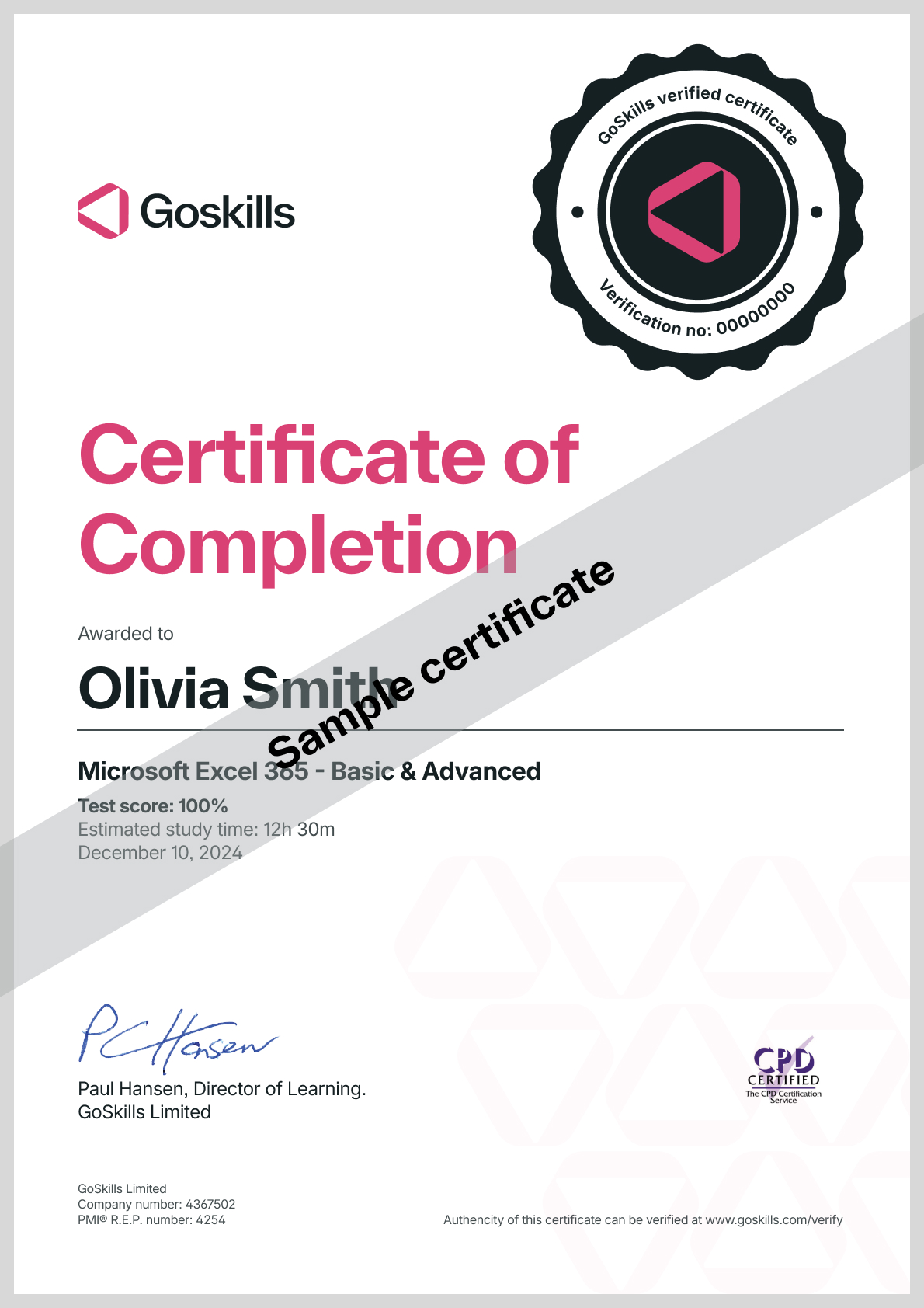
Certificate of Completion
Awarded upon successful completion of the course.
Instructor
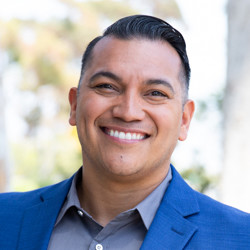
Frank González IV
Frank is a DEI executive and leadership consultant with two decades of experience using evidence-based practices to enhance the qualitative experiences of employees in various public and corporate entities. His focus on relationship-building models, combined with his facilitation background, provides unique perspectives on experiential and practical applications. Frank holds a Doctor of Philosophy in Organizational Leadership & Management, with an emphasis on personality and in-group/out-group relationships in the workplace (leader and employee relationships). His foundational DEI message of "be curious" also highlights his genuine love for continuous, enthusiastic learning.
Frank González IV
Global DEI Executive and Leadership Measurement Consultant
Accreditations
Link to awards
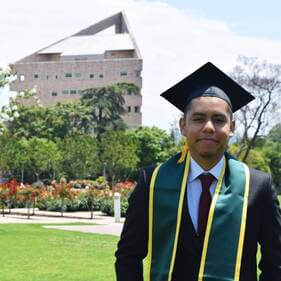
How GoSkills helped Chris
I got the promotion largely because of the skills I could develop, thanks to the GoSkills courses I took. I set aside at least 30 minutes daily to invest in myself and my professional growth. Seeing how much this has helped me become a more efficient employee is a big motivation.