Inclusive Language at Work
Inclusive Language at Work
What you’ll learn
Skills you’ll gain
In today's world, it's become increasingly important for individuals and organizations to prioritize inclusion and to be mindful of habits that instead create exclusion. In this course, Dr. Suzanne Wertheim shares one element where everyone can continue to strive for inclusivity with: language. Suzanne explores concepts around how inclusive language can ultimately create a better workplace culture, and proves that even the slightest language adjustments can make a big difference. She reviews concepts around linguistics and how language works, as well as reviewing common phrases and words that can often have a hidden meaning. She then covers the principles of inclusive language, as well as sharing actionable ways to make your language more inclusive. After watching this course, you'll be able to easily incorporate Suzanne's tactics and start making shifts to your language today.
Syllabus
Download syllabus-
1
Inclusive language matters Inclusive language is one of the most effective ways in which you can make sure your good intentions translate into good impact. 3m
-
2
Optimizing workplace culture The cultures of the best-functioning and most productive organizations have a few things in common. 2m
-
1
Boosting linguistic awareness Decades of research have shown that there is a serious gap between what you think you're saying and what you're actually saying. 2m
-
2
More than dictionary definitions Language is much bigger and more complicated than just semantics, or the meanings you find in a dictionary. 3m
-
1
Framing and word choice Words, especially nouns and verbs, come with semantic "frames" that create entire scenarios in your mind. 3m
-
2
Flavor of words Words acquire a "taste" that is based on the social context in which you encounter them. 3m
-
3
Perspective taking Perspective taking is a two-part cognitive skill that is a vital component of inclusive language. 3m
-
4
Inclusive language evolves All languages change over time, and this includes what you'd consider inclusive language. 3m
-
1
Language that reflects reality It can be useful to have a set of principles to guide your understanding of inclusive language. 3m
-
2
Language that doesn't demean Sometimes it can be hard to anticipate how our language will affect others. 3m
-
3
Language that respects others Rather than remembering a list of harmful words (that might always be changing), you can focus on remembering key principles of effective language. 3m
-
1
Importance and pronunciation Correctly using and pronouncing names is one of the most important components of inclusive language. 3m
-
2
Impacts of misnaming Using the wrong name for someone, along with calling someone the name of another employee based on similarities, can be harmful at work. 2m
-
3
Pet names, diminutives, and nicknames In the workplace, calling people pet names, nicknames that they haven't approved, or using diminutives are all problematic, and can have a genuinely negative impact. 3m
-
1
Replacing he or she Not everyone fits into the "gender binary," and increasing numbers of people are referred to with pronouns like "they" instead of "he" or "she." After this lesson, you'll be able to recognize why pronouns are important and begin to embrace using "they" for a single person. 3m
-
2
Presenting your own pronouns Even if your pronouns fall into the traditional gender norms, presenting your pronouns is helpful to normalize this process and act as an ally. 3m
-
1
Importance of gender-neutral language Gender-specific language has been shown to both distort mental models and make people feel excluded and forgotten. 3m
-
2
Gendered language to avoid There are specific instances of gender-specific language that are proven to be harmful. 3m
-
1
Staying up to date Language is always changing, and it is important for you to continue learning when new terms are considered problematic in order to continue fostering inclusivity. 3m
-
1
Start making changes Now that you've finished this course, you should feel armed with the context on why inclusive language is so important as well as the strategies to replace non-inclusive language with inclusive language. 1m
Certificate
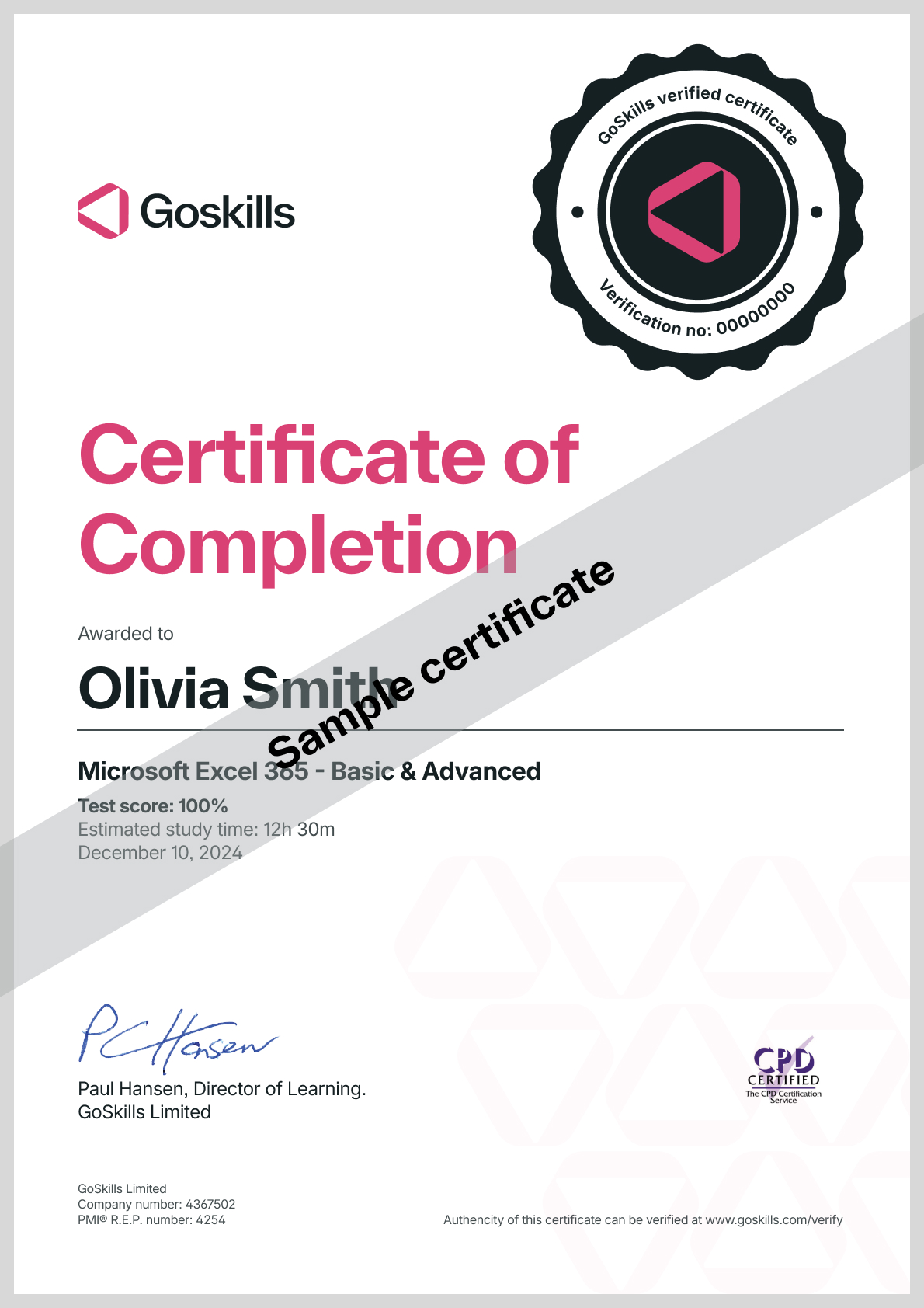
Certificate of Completion
Awarded upon successful completion of the course.
Instructor
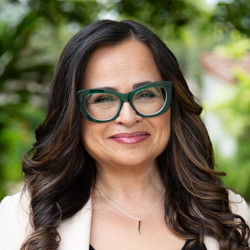
Suzanne Wertheim
Dr. Suzanne Wertheim is a national expert on language and bias. After getting her Ph.D. in Linguistics from Berkeley, she held faculty positions at Northwestern, University of Maryland, and UCLA. In 2011, she left the university system in order to apply her expertise to real-world problems.
Suzanne Wertheim
Founder and CEO at Worthwhile Research & Consulting
Accreditations
Link to awards
How GoSkills helped Chris
I got the promotion largely because of the skills I could develop, thanks to the GoSkills courses I took. I set aside at least 30 minutes daily to invest in myself and my professional growth. Seeing how much this has helped me become a more efficient employee is a big motivation.