Tackling Unconscious Bias and Microaggressions at Work
Tackling Unconscious Bias and Microaggressions at Work
What you’ll learn
Skills you’ll gain
Have you ever asked a question to someone who has different identity dimensions than you and it didn't end well? You may have dropped some microaggressive language. This course, taught by Diversity, Equity, and Inclusion (DEI) expert, Kelly Friedman, you’ll learn what unconscious bias is, how to identify it, and strategies to free your workplace of inequities. Microaggressions seem small, but these unintentional slights can result in major consequences. Kelly reviews key definitions, examines the cultural context in America around race and other external identity markers, and discusses tools for how to interrupt your unconscious mind and make authentic connections with others.
Syllabus
Download syllabus-
1
Uncovering your biases Many biases are neutral and help make decisions in a world inundated with choices. 3m
-
2
Understanding unconscious bias Your brain is a very powerful information processor. 2m
-
3
Bias by many names Bias evolved as a life-saving tool, but it is hard to notice! 3m
-
4
Interrupting unconscious bias Unconscious bias has a bad reputation but it is very good at helping you make quick decisions. 3m
-
1
Understanding microaggressions Microaggressions could be small, seemingly casual statements. 3m
-
2
Thinking beyond stereotypes Most people recognize that stereotypes are often negative generalizations about whole groups of people. 2m
-
3
Impact versus intention What is the difference between the impact of a statement versus the intention of a statement? 3m
-
4
Factors influencing microaggressions Microaggressions can be difficult to hear and identify because by nature, they are subtle comments or acts. 3m
-
1
Acknowledging unintended harm Most interactions in the workplace involve people with good intentions. 2m
-
2
Determining dialogue opportunities What do you do if you've observed, or been the subject of, a subtle act of exclusion? 3m
-
1
Mitigating bias Even though bias is difficult to detect, it lives in our institutions and organizations through the systems that we have created. 3m
-
2
Building a support network Combating microaggressions and unconscious bias is deeply personal work, but it's not a journey you need to take alone! 2m
-
3
Ally is a verb Working towards creating a more inclusive and equitable world is an ongoing effort that requires advocates in all layers of an organization. 3m
-
4
Creating a culture of belonging Leaders and executives around the globe agree that increased levels of belonging and well-being lead to higher satisfaction and efficiency, and therefore better business outcomes. 3m
-
1
Change is possible Thank you for watching this course! 1m
Certificate
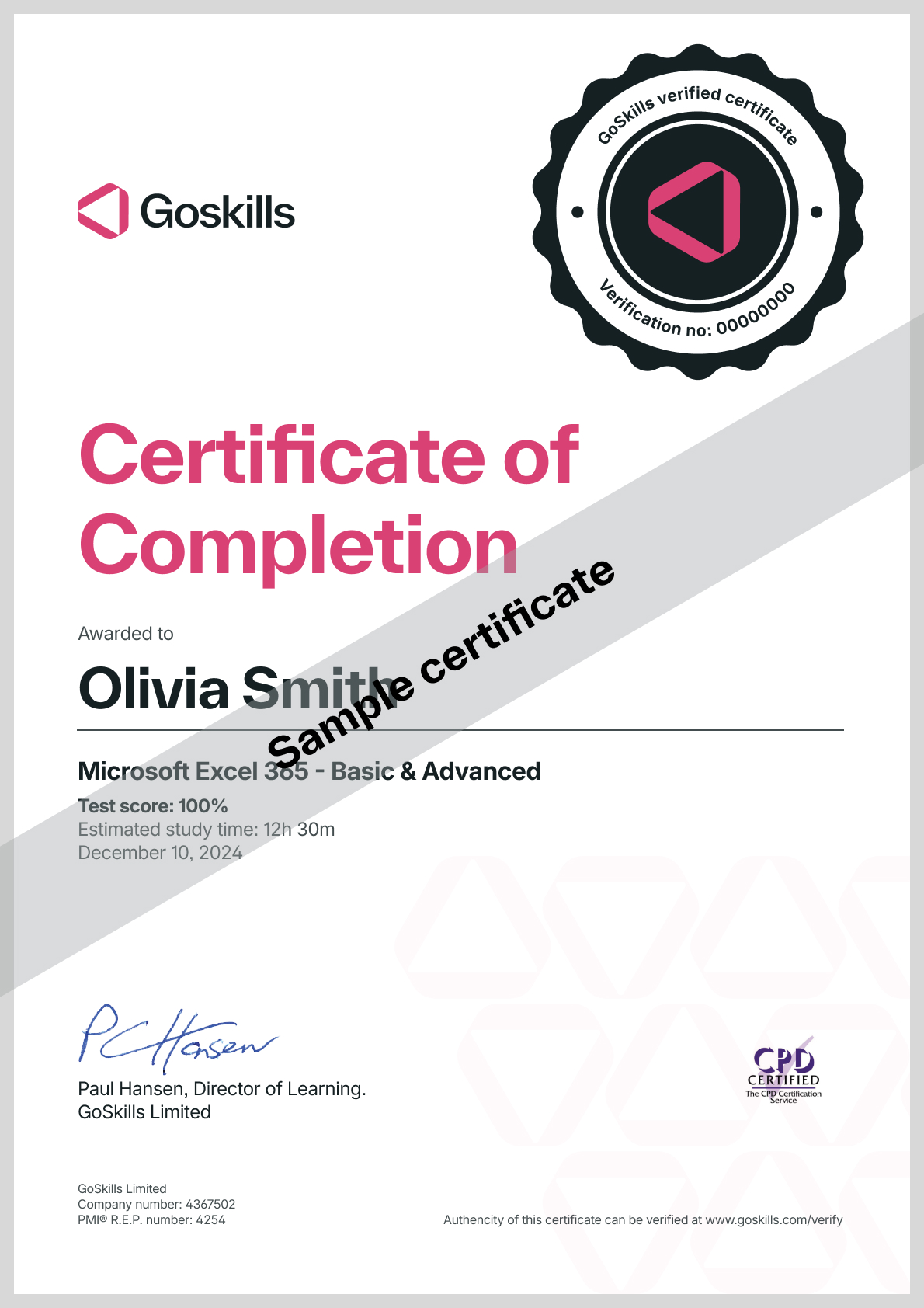
Certificate of Completion
Awarded upon successful completion of the course.
Instructor
Kelly Friedman
Kelly, a Diversity, Equity, and Inclusion (DEI) expert, brings nearly a decade of teaching experience to her consulting work. She has supported various learning and training experiences for executive leadership teams and has conducted qualitative analysis around DEI topics for both small and large organizations. Kelly received a BS from NYU and an MA from Stony Brook University; her thesis interrogated implicit bias training and examined the phenomena of microaggressions through the lens of critical race theory. She loves to create learning opportunities to discuss experiences around identity and culture grounded in history, geographic context, and systems-thinking.
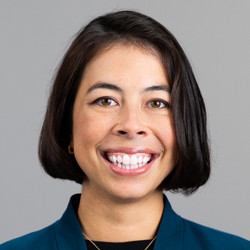
Kelly Friedman
DEI Leader and Trainer
Accreditations
Link to awards
How GoSkills helped Chris
I got the promotion largely because of the skills I could develop, thanks to the GoSkills courses I took. I set aside at least 30 minutes daily to invest in myself and my professional growth. Seeing how much this has helped me become a more efficient employee is a big motivation.